How to clean a guitar, its strings and fretboard
About 7 minutes to read. Published . By the House & Hedge team.
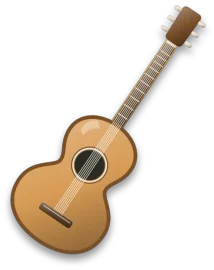
A guitar is a wooden instrument with metal strings and, usually, a finish that protects the wood. Sweat, skin oil and dust are the main enemies. They cling to the strings, collect in the grooves of the fretboard, and dull the finish over time. Humidity and temperature matter too, because wood moves with them, and that movement can change the neck, the action and the tuning.
This guide covers the quick wipe after each session, the strings, the fretboard, the body and the hardware, and the humidity that keeps the instrument playable.
The quick wipe after each session
After playing, wipe the strings with a dry, clean cloth, from the headstock down to the bridge. Wipe the fretboard and the body with the same cloth. Sweat is acidic, and it is the main cause of corroded strings and a dull finish. A minute of wiping slows both.
Do not put the guitar in its case while it is still damp. A closed case traps moisture against the strings and the body, and the wood stays damp for longer than you would expect.
Cleaning the strings
Strings can be wiped with a dry cloth, or with a string cleaner made for the purpose. Spray the cleaner onto a cloth rather than onto the strings, then wipe each string gently from the bridge toward the headstock. Dry the strings afterward, so no residue is left on the fretboard.
Strings wear out. They lose brightness and go dead when they are coated with grime, and changing them is often the cheapest way to improve the tone. Change strings when they sound dull or feel rough under the fingers, or when rust or corrosion shows. Keep a note of the date you changed them, so you know roughly how long a set has lasted.
The fretboard
Fretboards are either finished or unfinished. A finished fretboard has a clear coat over the wood, and it should be wiped with a dry or slightly damp cloth. An unfinished fretboard, usually rosewood or ebony, absorbs oil and can dry out. It benefits from conditioning.
To clean a fretboard, use a soft cloth and a little warm water on the wood, not soaking it, and dry it at once. Remove the strings for a deep clean, so you can reach under them and along the edges of the frets. Use a soft brush to lift the grime from the grain. Keep the fret ends clean, because grime collects there and can make the guitar feel rough.
For an unfinished fretboard, apply a small amount of a conditioner made for guitars on a cloth. Many are lemon-oil based. Wipe it on, let it soak in for a few minutes, then wipe off the excess. Do this once or twice a year, and not more often, because too much oil leaves a sticky film that attracts grime.
The body and the finish
Wipe the body with a soft, dry cloth after each session. For dirt, use a cloth dampened with water, then dry the body fully at once. Do not soak the finish, and do not let water sit in the joins, where it can swell the wood and loosen the glue.
Use a cleaner or polish made for guitar finishes if the body looks dull, and apply it to a cloth rather than to the body. Avoid silicone-based polishes, which build up over time and can cause problems if the guitar is refinished later. Check the finish type before you choose a product. Lacquer, polyurethane and nitrocellulose each respond differently to solvents, and the wrong product can soften or cloud them.
The hardware
Tuners, bridges, knobs and the pickguard collect dust and grime. Wipe them with a dry cloth, and use a soft brush in the tight gaps. Do not spray cleaner into the tuners or the bridge, because liquid can reach the moving parts and cause corrosion.
Check that the screws are tight, and that the tuners turn smoothly. Tighten a loose screw gently, and do not force a stuck part. If a part binds or slips, take the guitar to a technician rather than working on it with force.
Humidity and temperature
Wood moves with humidity. Dry air shrinks the wood and can cause the neck to back-bow, the frets to stick out and the action to rise. Damp air swells the wood, and the neck can bow forward, which makes the strings buzz. A steady relative humidity of about 40 to 60 percent suits most guitars, and a cheap hygrometer shows you where the room sits.
Keep the guitar away from radiators, heaters, air conditioners and windows. Sudden changes in temperature are hard on the finish and the glue joints. In winter, a room humidifier helps, and in summer a dehumidifier can keep the air steady. Many players keep a humidifier pack in the case for very dry or very damp places.
Storing the guitar
Store the guitar in its case or on a stand in a room with steady humidity. Do not hang it on a wall beside a window or a heater. If the guitar will not be played for weeks, you can loosen the strings slightly to reduce the tension on the neck. Some players prefer to keep the tension and rely on a humidifier, so ask a technician what suits your instrument.
Lean the guitar against a wall only on a stand, not on its neck, because a fall can crack the headstock or bend the neck.
Checking the setup after cleaning
Cleaning is a good moment to look at how the guitar plays. Note the action, which is the height of the strings above the frets, and whether the strings buzz when you play higher up the neck. Check the tuning in each position, and listen for any fret that rattles. A change in the action can come from humidity as much as from any fault, so note the room conditions when you check.
If the action feels high, or the guitar buzzes or will not stay in tune, take it to a technician rather than turning the adjustment screws yourself. Some adjustments, such as the truss rod, put the neck under strain, and a small wrong turn can damage it.
Vintage and lacquered finishes
An older guitar may have a nitrocellulose or lacquer finish, which many modern cleaners can soften or cloud. Use only a soft, dry cloth on a vintage finish unless a specialist has advised otherwise. Dust the body gently, and avoid any polish, oil or spray. A thin scratch, or a checked finish, which is a fine network of cracks, is part of the instrument’s history, and a restorer can advise whether it needs attention. On an older instrument, the aim is to keep it clean without changing it.
Cleaning the case
The case collects dust and sweat from the strap and the hands. Empty it of picks and cables, vacuum the lining, and wipe the hard shell with a damp cloth. Keep the case closed when the guitar is out of it, so dust does not settle on the instrument’s inside.
Cleaning the amplifier and cables
Cables carry dirt and sweat from the floor and the hands. Wipe them with a dry cloth after use, and check for kinks or cracks in the jacks. Clean the jacks on the guitar and the amplifier with a dry cotton swab, and avoid any liquid near the electronics. Dust the amplifier’s vents and grille with a soft brush, and keep it away from heat.
When to see a luthier
Take the guitar to a luthier or a repair shop if the neck has moved, the frets are worn or uneven, a crack has appeared in the body, or the finish has bubbled or lifted. Do not try to fix a crack or a neck problem at home. A wrong repair can cost more to put right than the original damage, and a good luthier can often fix a problem that looks serious.