How to clean a toilet bowl, the rim and the ring stains
About 7 minutes to read. Published . By the House & Hedge team.
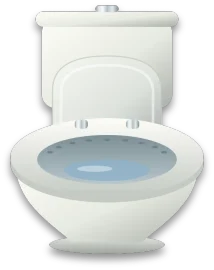
A toilet is one of the parts of the bathroom that people clean most quickly and least thoroughly. The bowl looks clean once the brush has gone round, but the hidden rim under the lip collects germs and grime, the seat hinges hold a film of dust, and the base and the floor around it take splashes you cannot see. Hard water adds the brown or gray rings that rise along the waterline. A proper clean takes twenty minutes, and it keeps the bathroom smelling fresh between deeper sessions.
Wear rubber gloves, open the window or switch on the exhaust fan, and use one cleaner at a time. Toilet cleaners are often strong acids or bleach-based products, and mixing them is dangerous.
What you need
- Rubber gloves and a trash bag for the used cloths
- A toilet brush with a fresh head, and a small brush for the rim
- A toilet cleaner, either an acid-based limescale cleaner or a bleach-based cleaner, used one at a time
- Mild dish soap and warm water
- A microfiber cloth, or disposable cleaning cloths
- A pumice stone for stubborn rings, used only on a wet bowl
- White vinegar, for mineral deposits
Cleaning the bowl
Start with the bowl, because the cleaner needs time to work.
- Flush once to wet the surface and check the water level. Turn off the water supply at the wall if you need to hold the tank still, but this is usually unnecessary.
- Squirt the toilet cleaner around the inside of the bowl, paying attention to the waterline, the underside of the rim and the outlet. Follow the label for the time it should sit. Many cleaners work in ten to thirty minutes.
- While the cleaner works, clean the outside of the bowl, the seat and the lid with a cloth and a mild soap solution. Work from the cleanest parts to the dirtiest, so you do not spread dirt onto clean areas.
- Scrub the bowl with the brush, working around the rim, under the lip and down into the trap. Pay attention to the holes under the rim, where bacteria and grime collect.
- Flush to rinse. Check the bowl for any patches you missed, then wipe the seat and lid again if needed.
Keep the toilet brush clean. Rinse it after each use, and let it dry with the bristles up in a holder that does not leak onto the floor. A brush left wet in a corner smells quickly.
Cleaning under the rim
The rim is the hidden part that most people miss. Water flows out of small holes under the lip to wash the bowl, and those holes can collect mineral and grime over time.
Use the small brush or an old toothbrush, and work along the underside of the rim, going into each hole you can reach. Follow with a cloth wrapped around a finger to wipe the surfaces you cannot scrub. Flush to rinse, and check that the water flow is even around the whole bowl. If the flow is weak on one side, a rim hole is probably blocked, and a little more cleaning there will clear it.
Lifting ring stains
Brown or gray rings along the waterline are usually a mix of hard water minerals and a little rust from the pipes or the metal parts. Routine cleaning does not remove them, because they sit in the glaze.
- Put on rubber gloves and apply a limescale cleaner to the ring, following the label. Leave it for the full time, and do not let it dry out. You can hold a cloth against the ring to keep the cleaner in contact.
- Scrub the ring with the brush, then flush.
- For a stubborn ring, use a wet pumice stone. Wet the stone and the ring, then rub gently in small circles. Pumice will scratch the glaze if you press hard or use it on a dry surface, so take it slowly and check your progress.
- As an alternative, pour a liter of white vinegar into the bowl, leave it for about an hour, then scrub and flush. Vinegar softens the mineral layer, but it is slower than a dedicated limescale cleaner, and it has a strong smell.
Do not use metal scrubbers or steel wool, which scratch the glaze and leave small areas where stains collect more easily.
The seat, the hinges and the lid
The seat and the lid are touched every day, and they need a clean that goes beyond a quick wipe. Lift the seat and the lid, and clean the undersides and the hinges, which trap dust and hair. Use a cloth with mild dish soap, then dry them.
Check the seat fixings. Loose bolts at the base of the seat let dirt collect underneath, and they can let the seat shift. Tighten them gently with a screwdriver if they feel loose, but do not overtighten, because the bowl can crack.
The base, the floor and the tank
Splashes collect around the base, and urine and water can soak into the grout or the floor covering over time. Wipe the base and the floor around the toilet once a week, with a cloth and a mild cleaner. Move the trash can and the mat, and clean the floor beneath them too.
The tank does not need the same frequent cleaning, but its outside gets dusty and can collect condensation. Wipe the tank, the flush handle and the cistern lid once a month. Do not put cleaning tablets or blocks into the tank unless the manufacturer allows it, because they can damage the flush mechanism and the seals.
What to avoid
- Mixing cleaners. Acid cleaners and bleach release chlorine gas when combined. Use one product, rinse the bowl, and only then use the next.
- Abrasive powders on the glaze. They dull the surface, and the dull patches collect stains faster.
- Steel wool and metal scrubbers. They scratch the glaze.
- Pumice on a dry surface. It can scratch porcelain, so keep it wet at all times.
- Strong products in the tank. Cleaning blocks can corrode the metal parts of the flush mechanism.
How often to clean
Clean the bowl and the seat once a week, and give the whole toilet a deeper clean every month, including under the rim, the base, the floor and the tank. A toilet used by many people, or in a household with a pet, may need more frequent cleaning. If you notice a ring that keeps coming back, check the water level and the flush, because a slow fill or a constantly running tank leaves more deposit behind.
When to call a plumber
If the water keeps running after the tank has filled, if the bowl will not flush properly, or if water collects around the base, the cause is usually a worn flapper, a faulty fill valve or a leaking seal. Those are repairs for a plumber, and they cannot be fixed with a cleaner. A toilet that leaks onto the floor can damage the subfloor and the ceiling beneath, so do not leave it.