Brown tips on otherwise healthy leaves
Just the point of the leaf, on a plant that is otherwise fine. Usually fluoride or salts in tap water, sometimes dry air, sometimes a spider plant being a spider plant.
What it usually is
1 Fluoride and chlorine in tap water
| How to tell | A neat brown point on leaf after leaf, often with a thin yellow halo where the brown meets the green, on a spider plant, dracaena, cordyline, calathea or peace lily. These species are unusually sensitive to it and the others in the same room are unmarked. |
|---|---|
| The fix | Water with rainwater, or with tap water left to stand uncovered overnight, which lets the chlorine off but not the fluoride. Flush the pot thoroughly every few months. Avoid superphosphate feeds, which carry fluoride of their own. |
2 Dry air
| How to tell | Tips browning on several different plants at once, from the moment the heating comes on, worst on the ones nearest a radiator or a hot air vent. |
|---|---|
| The fix | Move the pots away from the heat source, group them together and stand them on damp pebbles. A humidifier in that room is the only thing that holds a whole winter. |
3 Feeding too strongly
| How to tell | Brown tips on a plant that is fed every watering or at more than the label strength, often with a crust on the compost surface. |
|---|---|
| The fix | Stop feeding for two months, flush the pot through with plenty of water, and then feed at the bottle's strength and no more, only in the growing season. |
Through the year. Worst in the heating months, and worst again in high summer if the plant is on a sunny sill where the compost dries between waterings and the salts concentrate.
A brown tip is the smallest complaint in the journal and the one most often over treated. The point of a leaf is the furthest place from the roots and the last to be supplied, so it is where any shortage shows first. That is why the same mark comes from three quite different causes.
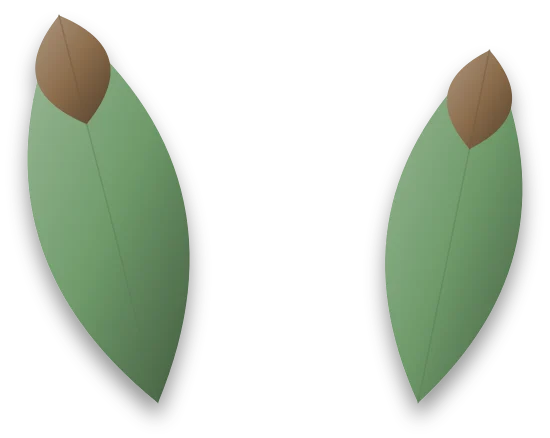
If the plant is a spider plant, a dracaena, a cordyline, a calathea or a peace lily, look at your water before anything else. These species are genuinely sensitive to fluoride, which is added to drinking water in many places and which the plant cannot exclude. It accumulates in the leaf and kills the tip. A neat brown point with a narrow yellow border, on plant after plant of those species while everything else in the room is clean, is that and nothing else. Rainwater fixes it. Letting tap water stand overnight helps with chlorine but does nothing for fluoride, which does not evaporate, so it is a half measure worth knowing the limits of.
If several unrelated plants brown at the tips from the week the heating starts, it is the air. Warm dry air pulls moisture from the leaf faster than the roots can replace it, and the tip loses. Group the pots, use a pebble tray properly, or run a humidifier. Do not move a fussy plant into the kitchen for the steam and expect it to be enough; a kitchen is humid in bursts and dry the rest of the time.
If the plant is fed generously, suspect the feed. Fertiliser is salt. Every dose that is not taken up stays in the compost, and the plant then has to drink against it. A pot flushed properly two or three times a year, and fed at the strength on the bottle rather than by eye, rarely browns.
One species deserves a note of its own. Spider plants brown at the tips almost as a matter of habit, and a spider plant with tipped leaves and a dozen babies hanging off it is a spider plant doing well. Trim them if you like the look tidier, cutting at an angle and leaving a hair of brown, and stop worrying about it.
Entries that name it
What the journal says about this symptom on each plant.
| Areca palm | Dry air, hard or fluoridated tap water, or a pot that dried out. Raise the humidity, water with rainwater, and keep the compost lightly moist. Trim the brown off following the shape of the leaflet. |
|---|---|
| Boston fern | The compost dried out, even briefly, or hard tap water. Water more often and more evenly, and use rainwater where the tap water is hard. Trim the browned tips off with scissors. |
| Chinese evergreen | Dry air, fluoridated tap water, or feed salts. Use rainwater, flush the pot with plain water every few months, and raise the humidity around the plant. |
| Dragon tree | Fluoride and salts in tap water, or dry air. Water with rainwater and flush the pot occasionally with plain water. Trim the brown to a point with scissors so the cut is not obvious. |
| Flamingo flower | Dry air, or salts from feeding. Raise the humidity around the plant and flush the pot with plain water every couple of months. |
| Lucky bamboo | Fluoride and chlorine in tap water, which this genus is unusually sensitive to. Change to rainwater or filtered water, or leave tap water standing overnight. Trim the browned tips to a point. |
| Parlour palm | Dry air, hard or fluoridated tap water, or a pot that dried out. Raise the humidity, use rainwater, and keep the compost lightly moist. Trim the brown following the shape of the leaflet. |
| Peace lily | Dry air, tap water minerals or overfeeding. Raise humidity, use rainwater or filtered water, and halve the feed. |
| Rosemary | A pot that dried out completely, or cold drying wind. Water more evenly in a pot, and give a plant in an exposed position some shelter from the coldest wind. |
| Snake plant | Inconsistent watering or cold damage. Keep above 10 degrees and water on a steadier rhythm. |
| Spider plant | Fluoride and chlorine in tap water, or a long dry spell. Water with rainwater or water left standing overnight, and keep the compost evenly moist rather than swinging from dry to soaked. Trim the brown to a point with scissors. |
| Yucca | Dry air, fluoridated tap water, or feed salts. Use rainwater, flush the pot with plain water every few months, and trim the brown to a point. |
Questions from the margin
- Why do my spider plant's leaves have brown tips?
- Usually fluoride in tap water. Spider plants, dracaenas, cordylines, calatheas and peace lilies are unusually sensitive to it and cannot exclude it, so it accumulates and kills the tip. Rainwater fixes it. Letting tap water stand overnight releases chlorine but not fluoride.
- Are brown tips a sign of overwatering?
- Rarely on their own. Overwatering shows first as soft yellowing on the lower leaves. A neat brown point with a thin yellow halo, on a plant that is otherwise healthy, is water quality or dry air rather than watering habit.
Checked against RHS, Houseplants: brown leaf tips and edges; University of Illinois Extension, Fluoride injury on houseplants.