Flowering at the wrong time, or bolting
A herb running to seed, or a plant flowering out of season, is a plant that has decided its life is under threat. Usually heat, light or a check to its growth.
What it usually is
1 Heat, on a herb or a leafy vegetable
| How to tell | Basil, coriander, rocket or lettuce sending up a tall central stem with small leaves and buds at the top, in warm weather or on a hot sill. The leaves below become smaller and taste stronger or more bitter. |
|---|---|
| The fix | Pick often and pinch out the growing tip before it runs, keep the pot out of the hottest sun, and sow a short row every three weeks so there is always a young plant coming. Once a plant has bolted the leaves do not come back, so let it flower and save the seed. |
2 A check to growth
| How to tell | The plant dried out, was moved, or was left root bound, and flowered shortly afterwards while still small. Flowering is what many annuals do when they believe their conditions are about to end. |
|---|---|
| The fix | Water evenly and pot on before the roots fill the pot. There is no way to reverse the flowering, but the next sowing under steadier conditions will run to seed much later. |
3 Day length, on a plant that reads it
| How to tell | A plant flowering in an odd month with nothing else wrong, on a species that sets buds by day length: a Christmas cactus flowering in spring, a poinsettia colouring in summer. |
|---|---|
| The fix | Nothing needs fixing. Enjoy it and go back to the ordinary routine. If you want the flowers to fall at a particular time, control the darkness in the six weeks before you want them, rather than the light. |
Through the year. Bolting belongs to the first hot spell of the year and to any sudden warm week. Out of season flowering belongs to plants whose light has been unusual, often because of a lamp left on near them at night.
Flowering out of turn is not a disease. It is a decision, and understanding the decision is what lets you influence it.
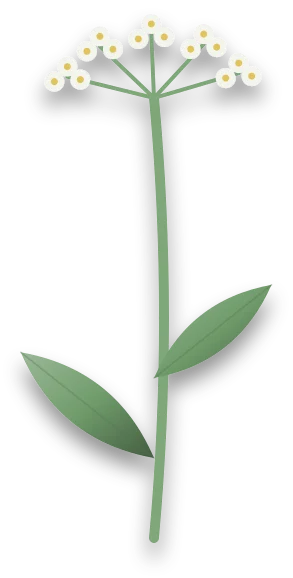
An annual herb like basil or coriander exists to make seed. Leaves are only the means. As long as conditions are good it grows leaves and waits, and the moment it registers that conditions are turning, whether from heat, from drought, from crowded roots or from a check of any kind, it stops waiting and puts everything into a flower stem. That is bolting, and it is why the same plant can be perfect one week and a bare stalk with a tuft on top the next.
Nothing reverses it. Cutting the flower stem out buys a week or two of small bitter leaves and no more. So the answer is entirely in prevention: keep the pot out of the hottest sun, water evenly rather than in swings, pick regularly and hard, which keeps the plant in its leafy phase, and above all sow again. A short row every three weeks means a young plant is always coming on behind the one that is about to run.
Coriander is the extreme case and worth knowing about specifically. It bolts faster than almost anything in warm weather and produces its best leaves in the cool weeks either side of summer. Trying to grow it through a hot month is fighting the plant; sowing it in the shoulder seasons is working with it.
For perennial houseplants, out of season flowering is usually about light rather than heat. Plants that set buds by day length count the hours of unbroken darkness, not the hours of light, so a lamp or a street light near the plant at night can shift a Christmas cactus or a poinsettia by months. That is a curiosity rather than a problem, and the plant takes no harm from it.
One last thing worth saying: let a bolted herb flower. The flowers feed bees, the seed is free next year, and coriander seed is a spice in its own right.
Entries that name it
What the journal says about this symptom on each plant.
| Basil | Heat stress or a plant left unpinched. Pinch out flower buds as they appear; harvest regularly from the top. |
|---|---|
| Coriander | Heat and long days, a check from drying out, or root disturbance from transplanting. Sow directly rather than transplanting, keep it evenly moist, give it afternoon shade in summer, and sow again every three weeks rather than trying to save one plant. |
| Mint | Heat and long days, which push it into flower and turn the leaves tough. Cut the flowering stems out as they appear, or cut the whole plant back and let it regrow tender. |
Questions from the margin
- Why has my basil gone to seed?
- It has bolted. An annual herb exists to make seed, and the moment it registers that conditions are turning, from heat, from drought or from crowded roots, it stops making leaves and puts everything into a flower stem.
- Can I stop a herb bolting?
- Not once it has started. Prevent it instead: keep the pot out of the hottest sun, water evenly rather than in swings, pick often and hard, and sow a short row every three weeks so a young plant is always coming on behind.
Checked against RHS, Bolting; Cornell Cooperative Extension, Bolting in herbs and greens.