How to clean venetian, vertical and fabric blinds
About 6 minutes to read. Published . By the House & Hedge team.
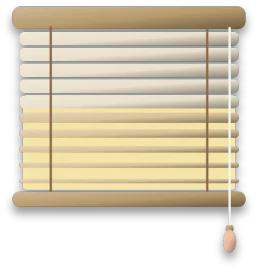
Blinds collect dust faster than almost anything else in the house, because every slat is a shelf. The dust settles on the top edge, the faces and the headrail, and it is pushed around each time the blind is moved. A light, regular dusting keeps them looking good, and a proper wash every few months restores the finish. The method depends on the type: venetian, vertical, roller and fabric blinds each need a slightly different approach, and the safety of the cords matters for every one.
Safety first: the cords
Blind cords can strangle young children, and many blinds have been recalled for cord hazards over the years. Before you clean anything, look at the cords and the cord stops.
- Keep cords out of reach of babies and young children, and do not place a cot or a bed under a window with a cord nearby.
- Tie up any loose cord well out of reach, and cut any loop that is not needed for the blind to work. Follow the maker’s instructions for cutting, because some cords are part of the mechanism.
- Fit cord cleats or tensioners where the blind allows them, and check that they hold firmly.
- If a child sleeps or plays in the room, consider cordless blinds, which remove the hazard altogether.
Keep the cords dry as well. Water on the cords can weaken them and make them rot, and a wet cord is a poor fit for a tensioner. Clean the cords with a dry cloth only, or a barely damp one, and never soak them.
What you need
- A microfiber glove or a microfiber cloth
- A soft brush or a vacuum with a brush attachment
- A bucket of warm water and a little mild dish soap
- An old towel or a shallow tray, for washing
- A dry cloth for drying
- A soft sponge for fabric blinds
Dusting venetian and vertical blinds
The quick clean is the one you will do most often.
- Close the slats fully, so they lie flat and all the faces are visible.
- Put a microfiber glove on your hand, slightly damp, and run it along each slat from one end to the other. Do the top face first, then turn the slats and do the underside.
- Dust the headrail and the top edge of the slats with a soft brush or the brush attachment on the vacuum.
- Dust the ladder tapes and the bottom rail, then move to the sill below the blind.
Vertical blinds are cleaned the same way, slat by slat, with the cloth moving from the top down. Turn the slats to clean both sides, and keep the cloth on the front face so you do not catch the edges.
Washing metal and plastic venetian blinds
Heavily soiled metal or plastic blinds can be washed. The method takes longer, because the slats must be dried completely before they are rehung.
- Lower the blind fully and remove it from the brackets, following the maker’s instructions. Keep the screws, and note which bracket each end sits in, so it goes back the same way.
- Lay the blind flat in a bath or on a towel in a sink, and rinse off the dust with warm water.
- Mix warm water with a little mild dish soap. Wipe each slat with a cloth, or use a soft sponge, working from the top to the bottom. Turn the slats to clean both faces.
- Rinse the slats with clean water, then dry each one with a towel. Leave the blind to dry in an airy place, slats separated, for several hours.
- Rehang the blind once it is completely dry. A damp blind can rust at the metal joints, and it can mold in the tapes.
Do not put the cords in the water, and keep the blind away from direct heat, which can warp plastic slats.
Wooden blinds
Wooden slats swell and warp when they are soaked, and the finish can be damaged by water. Clean wooden blinds with a dry microfiber glove, or with a cloth dampened only slightly with a mild soap solution. Dry the slats straight away. Do not wash wooden blinds in the bath or in a sink of water.
Fabric blinds and roller blinds
Fabric blinds and roller blinds are cleaned differently, because the cloth holds water and dirt in its weave.
- For dust, use the brush attachment on the vacuum, working gently over the surface in one direction. A soft brush head is kinder to the fabric than a stiff one.
- For a spot, check the care label for the cleaning code. Test a hidden spot first. Use a little mild detergent in cool water on a sponge, dab the spot, and blot it dry with a clean cloth.
- For a roller blind, wipe the fabric with a barely damp cloth, working from the top down, and dry it straight away.
Avoid soaking a fabric blind. Water can leave a ring, shrink the cloth or loosen its backing, and the blind may not return to its original shape.
Blinds with motors or electrical parts
Motorised blinds and blinds with a battery, a remote or a motor housing should not be soaked or washed in water. Dust them with a dry or barely damp cloth, and keep water away from the motor, the battery compartment and the control. Check the maker’s instructions before you clean the blind, because some models have specific rules.
Dealing with stains on blinds
Grease and sticky marks are the most common stains. Use a little mild dish soap on a cloth, dab the mark, then wipe it clean with a damp cloth and dry it. For ink or marker on a metal or plastic slat, test a small amount of rubbing alcohol on a hidden spot first, then clean the mark gently and wipe it dry. Do not use a strong solvent on a painted slat, and do not scrub hard, because the finish will come away.
Keeping blinds clean
- Dust venetian and vertical blinds every few weeks, and fabric blinds monthly.
- Close the blinds on a window that gets a lot of cooking or smoke, because the film settles on the slats.
- Keep the room ventilated, and clean any mold at the tapes or headrail at once.
- Wash metal and plastic blinds every six months or so in a busy kitchen, or once a year elsewhere.
Common mistakes
- Soaking wooden or fabric blinds, which warps the wood and damages the cloth.
- Leaving a washed blind wet, which leads to rust and mold.
- Pressing hard on the slats, which bends them and loosens the tapes.
- Wetting the cords, which can weaken them over time.
- Using a strong solvent on a painted or coated slat.
When to call a professional
If a blind has bent slats that will not straighten, a broken cord or a damaged mechanism, or if the cords are loose in a way that is hard to fix safely, call a blind specialist. A broken cord mechanism can release the blind suddenly, and a specialist can replace the part safely. Blinds that are very old or badly damaged are often more economical to replace than to restore.