How to clean an upholstered sofa, and what its care code means
About 7 minutes to read. Published . By the House & Hedge team.
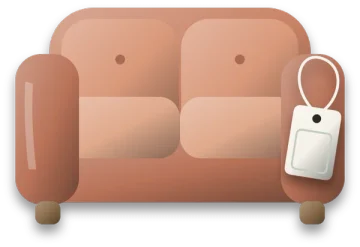
An upholstered sofa is one of the largest things in a home to clean, and it is also one of the easiest to damage. The fabric may be cotton, linen, polyester, velvet or a blend, and each reacts differently to water and cleaners. The care label, sewn into a seam or under a cushion, tells you which methods are safe. Read it before you touch the sofa with anything wet. Most of the damage people do to upholstery comes from using the wrong cleaner or too much water, and a few minutes of checking prevents it.
Reading the care code
The code is a single letter, or two letters, and it means the following.
- W: a water-based cleaner can be used. Use a cleaner made for upholstery, and keep the fabric barely damp.
- S: use a solvent-based cleaner only. Water should be avoided, because it can leave a ring or a mark that will not come out.
- WS: either a water-based or a solvent-based cleaner can be used. Choose the one that suits the stain, and test it first.
- X: vacuum only. Do not apply any liquid, including water and solvent cleaners. Use a brush or a vacuum to remove dust and dirt, and call a professional for stains.
If the label is missing or cannot be read, do not assume the fabric is safe to wet. Test in a hidden spot, such as under a cushion or at the back of the base, and wait a full day to check for rings, color change or stiffness.
What you need
- A vacuum with a brush attachment and an upholstery tool
- A soft brush or a clean dry cloth
- Clean white cloths, several
- A cleaner made for upholstery, labeled for the right code
- A small bowl, for mixing
- A fan, for drying
- A rubber glove, for pet hair
Vacuuming and dusting
Vacuum the sofa every week or two, and more often in a home with pets. Use the upholstery tool, which is narrow and has a soft brush, and work along the seams and the edges, where crumbs and dust collect. Lift the cushions and vacuum underneath them too, then vacuum the base and the back of the sofa.
For pet hair, a rubber glove dampened with a little water and run over the fabric pulls the hair into a ball. Do this on a fabric that is safe for water, which means a W or WS code. On an S or X fabric, use a dry brush or a dry rubber glove.
Spot cleaning a W or WS fabric
Spot cleaning should always start with the gentlest method.
- Vacuum the stained area first, to remove any loose dirt.
- Test your cleaner on a hidden spot and wait for it to dry. Check for color change or a ring.
- Apply a small amount of the cleaner to a clean white cloth, not directly onto the sofa. Dab the stain, working from the outside edge towards the center so the mark does not spread.
- Blot the area dry with a clean cloth. Use a dry cloth to lift the moisture, and keep changing to a clean part of the cloth.
- Let the area dry in an airy room. Use a fan to speed it up if needed.
Do not soak the fabric. Too much liquid can reach the padding and the frame, and it can cause a water mark that is hard to remove. Work in small areas, and let each one dry before you move on.
Spot cleaning an S or WS fabric
Solvent cleaners work differently from water. Use a cleaner labeled for upholstery and specifically for solvent-based fabrics. Work in a well-ventilated room, and do not use the cleaner close to a flame or a heater, because solvents can be flammable.
Test on a hidden spot, apply the cleaner to a cloth, and dab the stain with the same care as for water-based cleaning. Blot dry, and let the fabric air. A solvent cleaner can leave a smell while it dries, so keep the window open.
Cleaning an X fabric
An X fabric must not be wetted. For dust, use the vacuum and a soft brush. For dry soil, use a dry brush or a dry cloth to lift the dirt from the surface. For a stain, a professional upholsterer can often lift it with specialist equipment, and that is the safest option.
Avoid any product that is sold as a spray or foam for upholstery on an X fabric, because most contain water or solvents that the fabric is not designed to take.
Common stains
- Food and drink. Blot up the spill straight away, then use a cleaner for the code, working from the outside of the stain inwards.
- Oil and grease. Blot with a dry cloth, then use a solvent-based cleaner if the code allows it. Water alone usually spreads oil.
- Ink. Test a cleaner first, then dab with a cloth. Ink can spread, so work with care and blot often.
- Pet urine. Blot, then use an enzyme cleaner if the code allows water. On an X or S fabric, call a professional.
- Sweat and body oils. Dab with a damp cloth and a little mild soap on a W or WS fabric. Let it dry fully, because sweat left in a cushion can smell.
Leather and faux leather
Leather and faux leather are upholstery too, but they are cleaned differently from cloth. Real leather needs a cleaner made for leather, and a conditioner once or twice a year to keep it supple. Wipe it with a soft cloth dampened in a little leather cleaner, work in small areas, and buff it dry. Do not use household sprays, vinegar or strong soap on leather, because they can dry it out and leave a dull, cracked surface.
Faux leather, often called vinyl or polyurethane, is more tolerant. A cloth dampened in warm water with a few drops of mild dish soap cleans most marks, and a dry cloth finishes the job. Avoid solvents and abrasive pads, which can strip the coating. Leather and faux leather can both stain from ink and dye transfer, so test any product on a hidden spot before you use it on the visible part of the sofa.
Drying
Drying is as important as cleaning. Upholstery that stays damp grows mold in the padding, which is very difficult to remove. Keep the room ventilated, run a fan across the area, and check the padding by pressing a dry cloth into the fabric. The sofa should be completely dry before anyone sits on it.
Keeping the sofa clean
- Vacuum every week or two, and fluff the cushions as you go.
- Rotate the cushions regularly, so they wear evenly.
- Use throws and covers on the arms and the seat in a home with children or pets.
- Keep the sofa away from direct sunlight, which fades the fabric.
- Deal with spills at once, before they set.
Common mistakes
- Using a water-based cleaner on an S or X fabric, which causes rings and damage.
- Scrubbing the fabric, which roughens the surface and pushes the stain in.
- Soaking the fabric, which reaches the padding and the frame.
- Testing nowhere, then cleaning the most visible part of the sofa first.
- Leaving a damp sofa to dry in a closed room.
When to call a professional
Call an upholsterer or a professional cleaner if the sofa has an X code and a stain, if a stain has set, if the fabric is leather or a delicate natural fiber, or if the padding has become damp. Professionals can clean upholstery with specialist equipment that extracts the cleaner and the dirt, and they can check the frame and the springs at the same time.