How to clean a dryer lint screen and the vent, safely
About 7 minutes to read. Published . By the House & Hedge team.
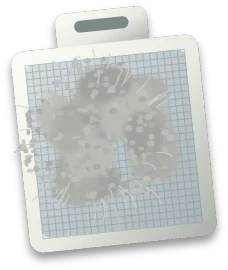
Lint is the fine fiber that comes off clothes in the dryer, and it is the reason a dryer can start a fire. The consumer product safety agency warns that fibers collecting in the dryer or the exhaust duct can ignite, and that restricted airflow can push the heat high enough to cause a fire. The rule is simple: empty the lint screen before or after every load, and clean the exhaust duct and the outdoor vent regularly. A dryer kept clear of lint also dries faster, uses less energy and runs cooler, which makes it safer as well as more efficient.
This guide covers the lint screen, the cavity behind it, the exhaust duct and the outdoor vent. Work only on the parts described here, and unplug the dryer or switch it off at the wall before you start.
What you need
- A dryer vent brush, with flexible rods that reach the length of the duct
- A vacuum with a long narrow hose attachment
- A soft brush and warm soapy water
- A screwdriver, if the back of the dryer needs to come off
- A flashlight, to look inside the duct
- A towel and a trash bag
Cleaning the lint screen after every load
The lint screen is the mesh filter at the door opening or on top of the drum, and it catches most of the lint.
- Pull the screen out and peel off the lint with your fingers. Roll it into a ball and throw it away.
- Check the screen for a film. Dryer sheets and fabric softener leave a waxy coating that blocks the mesh and cuts airflow even when there is no visible lint. Wash the screen in warm soapy water with a soft brush once a month, rinse it well and dry it completely before you put it back.
- Put the screen back in place firmly. A screen that is not seated properly lets lint bypass the filter and collect in the cavity below.
Make the screen check part of your routine, such as emptying it when the load is taken out. It takes seconds, and it is the most effective fire prevention you can do.
Cleaning the cavity behind the screen
Lint collects in the slot where the screen sits, and in the space beneath the drum.
Reach into the slot with a vacuum hose and remove the loose lint. If you can see a thick layer of lint down the side or in a corner, use a soft brush to loosen it and then vacuum it up. Do not use a metal tool, which can damage the heating element or scratch the drum.
If the cavity has a removable cover, check the manual for how to take it off. Behind it, lint often collects around the drum rollers and the belt, and clearing it helps the drum turn freely. Only remove panels the manual describes. Some dryers have wiring and sensors close to the drum, and damage to them can cause faults.
Cleaning the exhaust duct
The exhaust duct carries the warm, moist air from the dryer to the outside. It is the part most likely to block, and it is often the least cleaned.
- Unplug the dryer or switch it off at the wall. Pull the dryer away from the wall, taking care not to damage the duct or the connections.
- Disconnect the duct from the back of the dryer. Most ducts are held by a clamp, which you can loosen with a screwdriver. Check the duct for damage, such as splits, crushed sections or loose joints.
- Feed the vent brush into the duct from the dryer end and push it through to the outside, adding rods as needed. Twist the brush as you push to loosen the lint on the walls.
- Pull the brush back out, bringing the lint with it. Vacuum the duct end and the connection at the back of the dryer.
- Reconnect the duct, tighten the clamp, and check that the joint is sealed. Some ducts use a flexible foil or plastic section, and these should be replaced if they are torn or squashed, because they catch lint quickly.
- Push the dryer back into place, leaving enough space for the duct to lie without kinks.
If the duct is long or has several bends, or if you cannot reach the outside end, a professional duct cleaner can do the job with specialised equipment. Ask for the duct to be cleaned in full, from the dryer to the outside.
Checking the outdoor vent
Go outside while the dryer runs, and check that the vent flap opens. A flap that stays closed, or that opens only a little, means the airflow is restricted. Look at the vent outlet for lint, bird nests and debris, and clear them. Use a brush or your hand with a glove on, and keep the vent clear of leaves and dust. Check that the flap is not damaged, and that it closes firmly when the dryer stops.
Do not block the outside vent with a cover or a mesh that traps lint, because that restricts the air just as a blockage does.
Signs of a blocked dryer
Look for these signs, which mean the vent needs cleaning straight away:
- Clothes take longer to dry, or come out damp after a full cycle.
- The outside of the dryer is hot to the touch, or the room feels unusually warm.
- The dryer shuts off partway through a cycle because it has overheated.
- There is a burning smell, or a scorched smell, when the dryer runs.
- Lint is visible around the outside vent or the duct joints.
If you notice any of these, stop using the dryer until the vent is clear. A dryer that is running hot can cause a fire, and it should not be left to run unattended in that state.
Add-on traps and dryer sheets
Some people fit a lint trap in the duct, and others use dryer sheets to reduce static. Both can make the problem worse. Add-on traps create another point where lint collects and can block airflow, and experts generally advise against them. Dryer sheets leave a waxy film on the lint screen, which cuts airflow in the same way. Use the screen cleaning routine above if you use sheets, and consider using dryer balls or a lower-heat setting instead.
The routine
- Empty the lint screen after every load, and clean the film off once a month.
- Vacuum the cavity behind the screen every few months.
- Clean the exhaust duct and the outside vent at least once a year, and more often for heavy use or a long vent.
- Check the outside flap while the dryer is running.
- Watch for slow drying, a hot exterior and a burning smell, and act on them straight away.
When to call a professional
If the duct is damaged, if you cannot reach the outside vent, if the dryer will not start or stops partway through a cycle, or if you smell burning and cannot find the cause, unplug the dryer and call a qualified technician. A dryer fire is one of the most dangerous household fires, and it is not a problem to leave for later.