How to clean tile floors and grout, and when to seal the grout
About 7 minutes to read. Published . By the House & Hedge team.
Tile floors look after themselves for a surprising amount of time, but the grout between the tiles does not. Grout is porous, and it takes up water, grease and the dirt that is walked across the floor every day. In a kitchen the grout darkens near the stove and the sink. In a hallway it grays along the traffic path. Cleaning the tiles themselves is quick. Cleaning the grout takes more effort, and it is worth doing well, because clean grout makes the whole floor look newer.
Start by identifying the floor. Ceramic and porcelain tiles have a glazed or fired surface that most cleaners can handle. Natural stone such as marble, limestone, slate and travertine is much more sensitive, and it needs a gentler approach, which is covered below.
What you need
- A soft broom or a vacuum with a hard-floor setting
- A bucket of warm water and a pH-neutral floor cleaner
- A microfiber mop head, wrung out well
- A stiff nylon grout brush and an old toothbrush for corners
- Baking soda, for a paste on stubborn grout
- 3 percent hydrogen peroxide, for stains and mildew in grout
- A soft cloth, and a trash bag for the used water
- A penetrating grout sealer, if the grout needs sealing
Sweeping and mopping
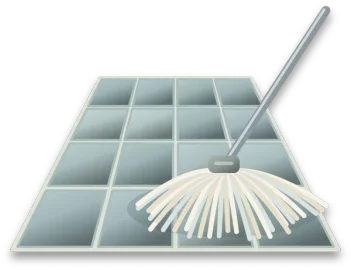
Grit on a tile floor acts like sandpaper under the mop, and it scratches the glaze and wears the grout. Sweep or vacuum first, then mop.
- Vacuum or sweep the floor thoroughly, paying attention to the corners and the edges along the baseboard.
- Mix the floor cleaner in warm water, following the dilution on the label. Use a pH-neutral cleaner, which is gentle on both tiles and grout, and avoid strong alkali and acid cleaners on most floors.
- Wring the mop until it is only damp, then work across the floor in sections. Rinse the mop often in clean water.
- Let the floor dry in the open air. Do not leave standing water on the tiles, because it can seep into the grout and leave marks.
Change the water when it becomes cloudy, because dirty water spreads grime instead of removing it.
Cleaning the grout
Grout cleaning is slower work, and it is best done in small areas. Start with the regular floor clean, then tackle the grout lines.
- Spray or pour a little warm water and a mild floor cleaner along a short section of grout. Leave it for a few minutes to soften the dirt.
- Scrub the grout with the stiff nylon brush, moving along the line rather than across it. Use the toothbrush for corners and tight spots.
- Rinse the section with clean water, and wipe the excess away with a damp cloth before it dries.
- Move on to the next section, and dry the whole floor when you have finished.
For stubborn stains, use the baking soda paste: mix baking soda with a little water until it forms a thick paste, spread it on the grout, leave it for ten minutes, then scrub and rinse. For mildew or dark stains in grout, spray 3 percent hydrogen peroxide onto the grout and leave it for ten to fifteen minutes before scrubbing.
Do not mix hydrogen peroxide with vinegar or bleach, and do not use bleach on grout that you want to keep. Bleach lightens the surface but does not reach the stain beneath it, and it can weaken the grout over time. Always rinse the area well after any product.
Natural stone
Marble, limestone, slate and travertine need care that most tile cleaners do not give. Acid cleaners, including vinegar, lemon juice and many bathroom and grout cleaners, etch the surface of these stones and leave dull marks that cannot be buffed out easily. Use a pH-neutral cleaner made for natural stone, or a little warm water and mild dish soap. Dry the floor well after mopping, because stone can absorb water and stain.
If you are unsure whether a floor is natural stone, check the maker’s documents or ask the installer. A simple test is to put a drop of vinegar in an inconspicuous spot. If it fizzes or leaves a dull mark, the surface is calcium-based, and you should avoid acid on it altogether.
Checking whether the grout is sealed
Most grout is porous and needs sealing to resist stains. Check the seal before you decide whether to reseal.
- Clean the grout and let it dry completely.
- Put a few drops of water on a grout line.
- Watch the drops. If they soak into the grout within a few minutes, the grout is unsealed, or the seal has worn away.
- If the drops sit on the surface for several minutes, the grout is sealed, and it will keep dirt out for longer.
Test a few different areas, since wear is uneven. A floor with heavy foot traffic, or one near the stove, may need sealing more often than a quiet floor.
Sealing the grout
A penetrating grout sealer soaks into the grout and blocks water and oil without changing its color. Most sealers are applied with a small brush or a sponge applicator.
- Clean the grout and let the floor dry for at least twenty-four hours. Sealing damp grout traps moisture inside it.
- Apply the sealer along the grout lines only, not on the tiles. Use a small brush and work in short sections.
- Wipe the excess off the tile surface straight away with a clean cloth, since sealer left on glazed tile can leave a film.
- Let the sealer dry for the time the label gives, and apply a second coat if the product recommends it.
Do not seal the tiles themselves unless the maker says the tile needs it. Most glazed tiles do not need a sealer, and a sealer can make the surface slippery or cloudy.
Steam cleaners
A steam cleaner can clean grout well, but it has limits. Heat and moisture can soften some adhesives and can drive water into unsealed grout. Check the tile maker’s advice before you use steam on a floor, and never use it on natural stone. If you do use a steam cleaner, work in small sections, keep the nozzle moving, and dry the floor afterwards.
Preventing grout stains
- Wipe up spills quickly, especially colored liquids such as tea, wine and oil.
- Put doormats at each entrance to catch grit and wet shoes.
- Mop regularly with a pH-neutral cleaner rather than letting dirt build up.
- Clean grout near the stove and sink every week or two, because grease and food collect there.
- Reseal the grout when the water starts to soak in, which usually means once a year for busy floors.
Common mistakes
- Using a strong acid cleaner on the whole floor, which dulls the glaze and etches stone.
- Mopping with a soaking mop, which leaves water in the grout.
- Scrubbing grout with a wire brush, which scratches the tile and wears the grout away.
- Sealing damp grout, which traps moisture.
- Using bleach on the grout to make it white, which weakens it and does not remove the stain beneath.
When to call a professional
If the grout is crumbling, cracked, or missing in patches, the grout needs regrouting, which is a job for a tile setter. If tiles are loose, hollow-sounding or cracked, or if water is coming through the floor from below, stop cleaning and call a professional. Cleaning can make a floor look better, but it cannot repair the cause of damage.
A regular mop, a quick grout scrub every few weeks, and a sealer when the water starts to soak in will keep a tile floor clean and bright for many years.