How to clean a water bottle, lid and straw so they stay fresh
About 6 minutes to read. Published . By the House & Hedge team.
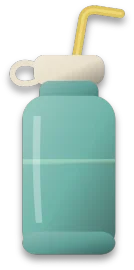
A reusable bottle is one of the most handled items in the house, and the parts that get missed are the ones that matter most. The body is easy to clean. The lid, the straw, the valve and the gasket are where the film grows and where the smell starts. A bottle that is rinsed each night but never taken apart will smell within a few weeks. A bottle that is taken apart and dried properly stays fresh much longer.
Most bottles come in four or five parts: the body, the lid, the straw or spout, the gasket or seal, and sometimes a valve or a handle. Each part needs attention. This guide covers the daily routine, the weekly deep clean, the hard-water scale, and the drying that stops mold from starting.
The daily routine
Empty the bottle at the end of the day and rinse it with clean water. Take the lid apart if you can, and rinse each part. Wash the body, the lid and the straw in warm, soapy water. Use a bottle brush for the inside of the body and a straw brush for the straw.
Rinse everything until no soap is left, then dry it. A bottle that is closed while damp will smell by the next morning, because the inside stays wet and warm.
The weekly deep clean
Once a week, take the bottle apart completely. Remove the gasket, the valve and any pop-up or flip parts. Soak the small pieces in warm water with a little dish soap for about fifteen minutes. Use a small brush or a pipe cleaner to get into the valve, the threads and the straw, where the film hides.
Wash the gasket by hand. Rub it gently between your fingers, check for cracks, sticky patches and dark spots, and rinse it fully. A gasket that smells, feels tacky or has cracks should be replaced, because it keeps harboring the film even after cleaning.
Straws and spouts
Straws are the hardest part to clean, because the inside is narrow and the film builds up in a thin layer. A straw brush is the right tool. Push it through the straw from both ends, with warm, soapy water on the brush. Rinse the straw by running clean water through it. Dry it standing upright, so the air can move through it.
For a spout with a valve, clear the valve with a pipe cleaner or a small brush. Do not force the valve open, because the spring inside can be damaged.
Insulated stainless steel bottles
Stainless steel bottles are easy to clean, but they need the right products. Bleach can damage the inner coating and leave a taste that lingers. Use warm water and dish soap with a bottle brush, and a paste of baking soda and water on any stains. Rinse well. Do not use steel wool or abrasive pads on the inside, because they can scratch the coating and leave tiny ridges where the film can grow.
Plastic bottles
Plastic bottles pick up stains from tea, coffee, juice and some sports drinks. A soak in warm water with a spoonful of baking soda, left for an hour, lifts most of them. Scrub the inside with a bottle brush afterwards, then rinse. Strong smells can be treated the same way. If the plastic still smells after two soaks, replace the bottle, because the odor is absorbed into the material.
Hard-water scale
Hard water leaves a white, chalky film inside the bottle, especially around the rim and the base. Fill the bottle with equal parts white vinegar and water, leave it for thirty minutes, then scrub and rinse thoroughly. A little citric acid works too. Rinse the bottle at least twice afterwards, so no vinegar taste remains.
Using cleaners safely
Never mix cleaners. Bleach and vinegar release chlorine gas, and bleach mixed with ammonia releases irritating fumes. Use one product at a time, rinse the bottle between products, and keep the room ventilated. If you use a denture-cleaning tablet, dissolve it in warm water in the bottle, let it work for the time on the label, then rinse thoroughly.
Drying the bottle
Dry the bottle with the lid and all the parts apart, upside down on a drying rack. Leave the straw standing up so the air can move through it. Let everything dry fully before you put the bottle back together. A bottle stored damp causes most of the smells people complain about.
Using the dishwasher
Check the label before you put the bottle in the dishwasher. If it is dishwasher safe, remove the gasket, the valve and the straw, and put them in the top rack. Heat can warp some plastics and loosen the seals in insulated bottles, so hand washing with a brush is usually better for the lid and the straw. Dishwashers can miss the threads and the spout, which is why a brush is still worth using.
Flavored drinks, tea and coffee
Flavored water, tea, coffee and sports drinks leave the most stains and the strongest smells, and the sugar and oils in them feed the film. Rinse the bottle straight after using it for anything other than plain water. A quick rinse does most of the work, and it stops the stain from setting. Tea and coffee leave a brown film around the rim and inside the lid. A paste of baking soda and water, scrubbed with a bottle brush, lifts the film, and a rinse with clean water finishes the job.
Sports drinks and juice leave a sticky residue that a rinse does not remove. Soak the body and the lid in warm water with dish soap, scrub the threads and the straw, then rinse until the water runs clear and the bottle no longer feels tacky.
Glass and silicone bottles
A glass bottle is easy to clean, because the surface holds the film less strongly than plastic does. Use a long brush and warm, soapy water, and check that any protective sleeve is dry before you put it back on. Glass can crack from a sudden change in temperature, so do not pour hot water into a cold bottle, and do not plunge a cold bottle under hot water.
Silicone bottles fold flat and are light to carry, but the folds trap moisture. Turn them inside out to clean the folds, and wash them with a brush rather than leaving them to soak. Dry them fully before you fold them, because a folded bottle that stays damp is one of the quickest ways to grow mold in the creases.
A cleaning kit for home
Keep a bottle brush, a straw brush, a pipe cleaner, a small supply of baking soda and a spare gasket in one drawer. A kit like this turns the weekly deep clean into a few minutes, instead of an evening spent looking for parts. Replace the brushes when the bristles splay, because worn bristles cannot reach the threads and the straw as well as new ones.
Travel, the gym and the car
Empty the bottle before you leave it in a car, because heat speeds up the growth of bacteria. If the bottle is used every day, carry a spare gasket. Keep the lid off in a bag so the bottle can air out before it goes back into a sealed space. Do not leave a bottle of sugary drink or juice for days, because the sugar feeds the film.
When to replace the bottle
Replace the gasket when it cracks, goes sticky or stops sealing. Replace the bottle when the inside is pitted or scratched, when the lid no longer seals, or when the smell returns within a day of a deep clean. A worn bottle is harder to clean than a new one, and it can hold the film in places a brush cannot reach.