Picking and storing the harvest
About 10 minutes to read. Published . By the House & Hedge team.

Growing a vegetable successfully through an entire season and actually getting to eat all of it before any of it spoils are two genuinely different skills, and the second one gets considerably less attention in most growing advice despite mattering just as much to whether the season’s effort actually pays off at the table. Curing, storing and using up a glut are all specific, learnable techniques rather than simply common sense applied harder, and getting each of them properly right is the real difference between a harvest that genuinely lasts through the whole of a long winter and one that quietly rots away, unused, in a box within a fortnight of being brought indoors from the garden.
Curing potatoes before storage
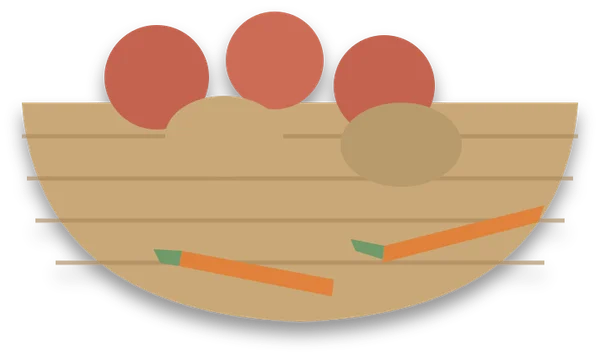
Potatoes lifted straight from the ground are not ready for long-term storage yet: the skin is thin and easily damaged, and any small wounds from the fork used to lift them are still open. Curing, leaving the lifted potatoes in a single layer somewhere cool, dark and well-ventilated for one to two weeks before proper storage, toughens the skin and lets those small wounds heal over, both of which dramatically reduce how readily the crop rots in store afterward. Skipping this step and storing straight from the ground is one of the most common reasons a good potato harvest turns to a box of rot within weeks rather than lasting through winter as it should.
Once cured, store in a paper sack or a hessian bag rather than plastic, which traps moisture against the skin, somewhere properly dark, since light turns the skin green and produces a bitter, mildly toxic compound that is worth avoiding rather than simply cutting away. If an animal has eaten green or sprouted potato, telephone a vet. Check stored potatoes periodically and remove any that have started to soften or rot, since one rotting potato in a sack spreads the problem to its neighbours faster than it would in the open ground.
Storing root vegetables through winter
Carrots and other root vegetables such as beetroot keep considerably longer packed in slightly damp sand, in layers with the roots not touching each other, in a cool, dark spot such as a shed or an unheated garage, than they do left in a warm kitchen or sealed in a plastic bag, where they typically soften or rot within a couple of weeks. The sand keeps enough humidity around the roots to stop them drying out and going limp, without the standing moisture that would make them rot outright, and stored this way an autumn harvest commonly keeps well into winter, sometimes to early spring for the hardiest crops.
Leaving root crops in the ground under a protective mulch through a mild winter is an alternative to lifting and storing indoors, workable where the ground does not freeze hard, though it makes harvesting an ongoing, weather-dependent task rather than a single autumn job, and is worth checking against the specific crop and the local winter’s severity before relying on it entirely.
The tomato glut problem
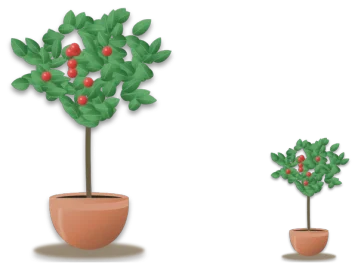
A productive tomato plant, or several, can produce ripe fruit faster than most households eat it fresh, particularly in the main flush of late summer, and letting the surplus simply spoil on the vine or the kitchen counter wastes most of what the season’s growing effort produced. Three approaches handle a genuine glut well. Freezing whole tomatoes, skins on, in a bag, works for anything destined to be cooked rather than eaten raw later, since the texture changes on thawing but the flavour holds up perfectly well in a sauce or a stew. Cooking the surplus down into a simple sauce or a passata first, then freezing or preserving that instead of the whole fruit, uses less freezer space and leaves a ready-to-use base for the months ahead rather than whole tomatoes that still need cooking down later anyway. Slow-drying halved or quartered tomatoes in a low oven over several hours concentrates the flavour and produces something closer to a sun-dried tomato, which keeps for months in oil or an airtight container and uses up a genuine excess without needing freezer space at all.
Curing onions and garlic
Onions and garlic follow their own version of the curing principle described for potatoes above, though the technique differs: once lifted, they need a period of drying out fully in a warm, dry, well-ventilated spot, ideally with some airflow around each bulb rather than piled in a heap, until the outer skin and the neck above the bulb are properly papery and dry, which typically takes one to a few weeks depending on the weather at lifting time. Only once properly cured this way do they store well, plaited or netted in a cool, dry, dark spot, commonly lasting several months; a bulb stored damp or with a soft, unfinished neck rots or sprouts prematurely regardless of how well it grew.
Knowing when to actually pick
Some crops signal ripeness clearly and some do not, and picking too early or too late both cost flavour and storage life. A tomato picked slightly under-ripe and finished on a windowsill indoors, rather than left on the vine until fully coloured, is a reasonable trade toward the end of the season when cooler weather is slowing ripening anyway and a hard frost is a real risk to whatever is left on the plant. Root vegetables, by contrast, generally hold in the ground perfectly well past their nominal maturity date and are better left there until actually wanted, or until the ground itself becomes difficult to work, than lifted early out of impatience and stored for longer than necessary. The almanac carries the approximate harvest windows this timing depends on for the crops it covers, worth checking against a specific variety’s own packet information rather than relying on either alone.
Squash and pumpkin: a longer-storing exception
Winter squash and pumpkin sit apart from most of the produce covered above in how long they genuinely keep: cured for a week or two in a warm spot to harden the skin, much like the onion and garlic method above, and then stored somewhere cool and dry rather than cold, a genuinely well-cured squash can keep for several months, often into the following spring, without any of the sand-packing or careful humidity control root vegetables need. The skin itself is doing most of the protective work here, which is why a squash with any crack, soft spot or damage to that skin should be used first rather than stored, since it will not keep the way an undamaged one will.
A basic storage checklist
Whatever the crop, the same few checks apply: only store produce that is free of visible damage or disease, since one bad specimen spreads rot to its neighbours in storage far more readily than it would spread in the open garden; keep stored produce somewhere with stable, cool temperatures rather than somewhere that swings between warm and cold; and check stored produce periodically through the winter rather than assuming it can be left entirely alone until needed, since catching an early rot before it spreads saves considerably more of the total harvest than discovering the problem only once the whole batch has already turned.