Should you buy ladybirds for aphids?
About 6 minutes to read. Published . By the House & Hedge team.

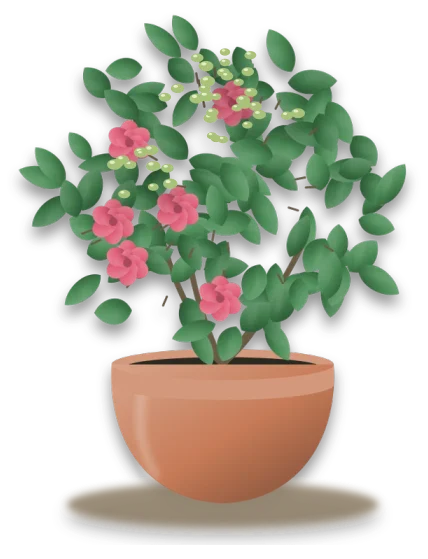
Ladybirds are the predator everyone has heard of, and they are sold in bags for exactly that reason. The picture on the packet is a rose covered in aphids, a handful of beetles released, and clean leaves a week later. The research behind that picture is real, but it is more modest than the packet, and the difference matters if you are the one holding the bag.

What the research found
A University of California newsletter for garden centre staff, published in June 2011, sums up the research. Its main finding is that releasing lady beetles can control aphids in a limited area, provided the beetles are properly handled and released in sufficient numbers. The same newsletter says it is likely that most beetles bought in shops fail to give satisfactory control. The release rate is often too low, or the beetles are mishandled in the shop, in transit or after purchase.
The numbers are the first problem. In the example the newsletter gives, one large, heavily infested rose bush needed two applications of about 1,500 beetles each, spaced a week apart. A typical shop pack holds only enough to treat one aphid-infested shrub or a few small plants. That is right for a pot on a windowsill and nowhere near enough for a rose.
Handling is the second. Live beetles left out at room temperature deteriorate quickly, which is why the newsletter tells shops to keep them chilled and misted. Its advice to shops is to throw out any pack with many dead beetles in it, and that is a useful check for you on the day a pack arrives.
Timing is the third. Release at dusk or in the early evening. Released in the heat of the day or in bright sun, the beetles tend to fly away almost at once. Mist the plant with a fine spray of water first, since giving the beetles a drink can keep them around longer. Put them at the base of the plant or in the forks of low branches, because they will climb up into the foliage looking for aphids.
Expect them to leave
The most important line in the research is about flight. Customers should expect lady beetles to fly away within a few days. In the studies the newsletter describes, about 95 per cent of released beetles had flown away within 48 hours. Released beetles are also unlikely to lay eggs on the plants they are released on, so a release does not start a breeding population on the plant.
That makes a bought release a repeated expense rather than a one-off cure. If the aphids return a week or two later, the newsletter says, you will need to release more beetles or try something else. The packaging rarely mentions either fact.
The species matters too. The research comes from California, and the beetle sold there for aphid control is the convergent lady beetle, collected from large overwintering gatherings in the foothills and mountains. The newsletter notes that many other lady beetle species live naturally in California landscapes but are not sold. Check what is in the pack, and whether it is a species that lives where you are.
What works better
The same newsletter lists options that cost nothing or less than a pack of beetles. Hosing the aphids off with water is the first. Insecticidal soap or horticultural oil sprays are the next step, and once they have dried they leave no toxic residue, so they will not harm beetles that arrive later. The third option is patience. The newsletter suggests waiting for other native beneficial insects to fly in, and the RHS says that tolerating some aphids on some plants helps attract the predators that do the job.
The one combination to avoid is spraying a broad insecticide and then releasing beetles. The newsletter is clear that residues from most insecticides are likely to kill them. A release onto a sprayed plant is money spent on dead beetles.
Look for the ones you already have
Before you buy anything, check the plants that already have aphids for ladybirds and their larvae. The adults are the familiar round beetles. The larvae look nothing like the adults, which is why they are so often mistaken for pests and squashed. The RHS says that a majority of ladybird species are predatory on aphids and other insects, though some feed on mildews and a few on plants themselves, so not every ladybird you see is on your side.
Aphids gather on the newest, softest growth first, which is why the growing tips of a bean plant are often where the trouble starts. Look there, then look a little further down the stem. If the aphids are still climbing and multiplying a week after you hose them off, you have an ongoing problem that needs more predators, not a one-off spray.
The RHS says that by early to mid-summer, aphid predators often wipe out colonies. Early in the season aphid numbers can build quickly, so the first flush is the hard part. If you can tolerate the early colony and check the plant each day, the predators often catch up by midsummer. That is slower than a bag of beetles, and it costs nothing.
Keep them coming back
Ladybirds, like most beneficial insects, stay in gardens that have food for them. Plant a range of easy-to-reach flowers through the year. The dill entry notes that its flowers bring in hoverflies, which is one more reason to let a few plants flower. The RHS names English marigold (calendula) among the flowers that attract hoverflies, and it recommends a broad range of easy-to-reach flowers through the year rather than a single display. Adult lacewings often feed on pollen and nectar too, so the same planting helps them.
Keep insecticide out of the garden as far as you can. The RHS does not support the use of pesticides, and its advice on aphids is to use non-chemical control whenever it is needed. Broad insecticides do not tell the difference between pests and predators, so every spray works against the ones doing the job for free.
When buying makes sense
Buying beetles is not wrong, and it is not always a waste. Release can help in a limited area if you have enough beetles, release them at the right time and do not spray the plants first. Expect them to stay only a few days, and expect to repeat the release if the aphids return.
For most gardens, the better long-term bet is a garden that already has predators. A few aphids, a few flowers, no broad spray and some patience will bring beetles to you. You can still buy them, but do it knowing what the research says. The thing the packaging rarely tells you is how quickly they will leave.
If you decide to buy
If you do buy, handle the pack the way the research says it needs. Check it on arrival and count the dead beetles. The newsletter’s advice to shops is to throw out a pack with many dead beetles in it, and that applies to you too. Its advice to customers is to keep the beetles refrigerated at home until you release them, rather than leaving them out at room temperature. Mist them lightly with a squirt bottle, and do not let water pool in the container. The newsletter’s handling advice is written for shops, but it is the same advice that keeps a bought beetle alive until release.
Then watch the plant. Count the aphids on the growing tips each morning for a week. If the numbers are falling, the release is working. If they are rising again after a week or two, the newsletter says you will need to release more beetles, hose the aphids off, use an insecticidal soap or wait for native beneficial insects to arrive. That is the real plan the research describes, and it is more work than the packaging suggests.
If you are not sure what is on your plant, start with the diagnoser. Aphids leave sticky honeydew on the leaves below them, and the sticky residue page explains how to trace what is making it. For the other beneficial insects you are likely to find, read the guide on hoverfly and lacewing larvae and the overview of beneficial insects in the garden.