Hoverfly and lacewing larvae
About 6 minutes to read. Published . By the House & Hedge team.
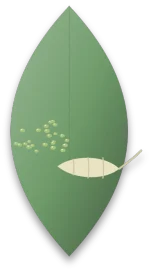
Aphids have more enemies than most gardeners realise, and two of the best are the larvae of hoverflies and green lacewings. The adults of both are easy to spot, and the larvae are not. Neither larva looks like the insect that laid the eggs, so they get squashed, sprayed or ignored along with the things they eat.
Hoverfly larvae
The adults are the bright, slightly wasp-like flies that hover over flowers. Their larvae are a different matter. The RHS describes them as maggots without legs or an obvious head. Most carry a breathing tube at the back, and in some species the tube is several times the length of the body, which is where the name rat-tailed maggot comes from.
The RHS says that approaching half of British hoverfly species have larvae that feed on aphids. Elsewhere on the RHS website it gives about 40 per cent, so treat the figure as roughly 40 to 50 per cent of the species. The larvae also prey on leafhoppers, whiteflies and scale insects, so a plant with several of those problems may have hoverfly larvae working on them already.
The adults lay their eggs near aphid colonies, which is the clue to where the larvae will be. Look near the colony first, rather than on the far side of the plant. The RHS does not describe a simple way to separate hoverfly larvae from other larvae. It notes that reliable identification often needs a good photograph, a binocular microscope or a physical specimen. So if you are unsure, take a clear photo and check it before you act. The one rule that is easy to apply on the spot is that a larva with legs is not a hoverfly larva.
Lacewing larvae
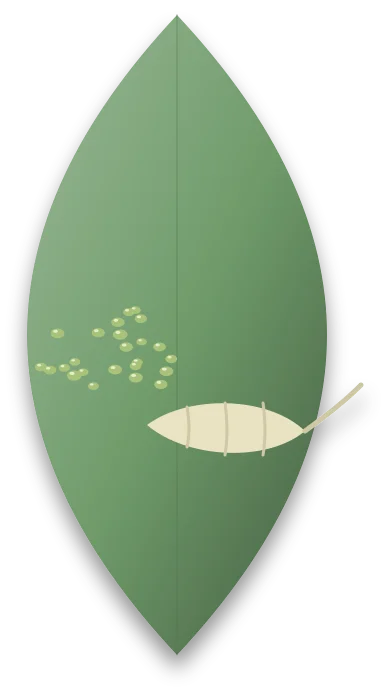
Green lacewing larvae are alligator-like, with long, narrow, sickle-shaped jaws, according to the North Carolina State University extension. They are always predatory, and they are sometimes called aphid lions, which suits an insect that seizes its prey with curved jaws. The RHS describes them in the same terms, saying they eat aphids and other small insects.
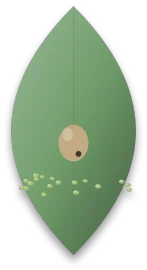
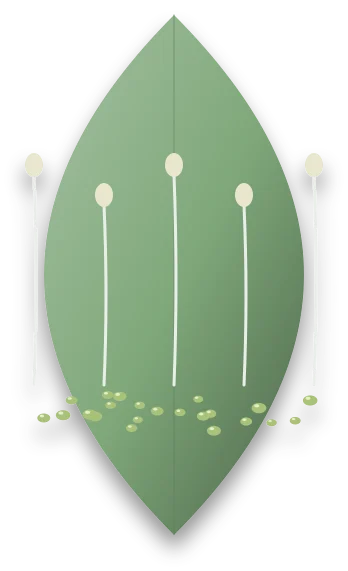
The eggs are the other clue. The extension says lacewing eggs are laid on stalks, which keeps them away from predators and from cannibalism by other larvae. If you see small, pale eggs standing on slender stalks among aphids, you have found lacewings at work.
The adults are green-bodied, with large transparent net-like wings, long thin antennae and coppery eyes. They are not always predators. The extension notes that they are often found on flowers, feeding on pollen and nectar, which is one reason a flowering garden keeps them around.
Why the larvae get squashed
Both groups of larvae have the same problem: they look like something you would rather not touch. Hoverfly larvae are legless and maggot-like. Lacewing larvae look like a small alligator. Neither looks like the aphid eater you were promised, so the instinct is to remove them.
The second problem is spraying. The RHS does not support the use of pesticides, and it says that avoiding them helps to attract predators to the garden. A spray that clears the aphids also clears the larvae that eat them, and that is the one result you do not want.
What to do
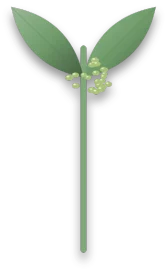
Start by reading the plant, not just the bug. If there are aphids on the growing tips and you can see eggs or a few larvae nearby, leave the plant alone for a few days. The RHS says that tolerating some aphids on some plants provides a food source for hoverflies, and that this helps to promote a natural balance in the garden. Choose the plants you can afford to share, and keep the rest clean.
Bean plants are a good example. The bean entry on this site notes that aphids gather on the growing tips, which are also the first place to look for predators. A few aphids there are part of the process. A large, spreading colony is not, and that is the point where you may need to act.
If the aphids are spreading fast, wash them off with water rather than reaching for a spray. That removes the aphids and leaves the larvae on the plant, which is the trade you want.
Then make the garden worth staying in. The RHS suggests a broad range of easy-to-reach flowers through the year. Its list of plants that attract hoverflies includes Allium, Coreopsis, Japanese anemone, Buddleja, English marigold (calendula), Hebe, poppies, Sanguisorba, thistles and angelica. You do not need all of them. Pick a few that flower at different times, so the adults have something to visit from spring to autumn.
The RHS calls adult hoverflies pollinating insects rather than aphid eaters, so they are worth having for the flowers as well. Lacewing adults often feed on pollen and nectar too, so the same planting serves both groups.
A note on timing
The RHS says that early in the season aphid numbers can build up, and that by early to mid-summer aphid predators often wipe out colonies. In other words, the first flush of aphids is the hardest part, and it often clears as the predators arrive. If you can tolerate the early colony and check the plant every few days, you may not need to do anything at all.
The viburnum entry on this site describes the other side of this. Aphids on a viburnum rarely do serious harm, but they can leave a sticky honeydew that grows sooty mould on the leaves below. That is a cosmetic problem more than a threat to the shrub, which is a good reason to wait and see whether the predators come.
How to check the predators are working
The most useful check is simple: look at the colony, not just the plant. A colony that is shrinking, with eggs or larvae near it, is a colony that is being eaten. A colony that keeps growing with no eggs or larvae nearby has not been found by the predators yet. The RHS notes that aphid predators often wipe out colonies by early to mid-summer, so a patient look over several weeks tells you more than a single morning does.
Adult hoverflies are worth watching too. The RHS says the adults lay their eggs near aphid colonies, so a hoverfly hanging over a flowerbed next to a colony is a good sign, even if the larva itself is out of sight.
Count the colony once every few days, using the same leaves each time. Note whether there are lacewing eggs on their stalks, hoverfly eggs or larvae near the colony, and any aphid mummies. Mummies show that parasitoid wasps are at work as well. Keep the notes short, and you will see the trend long before the plant shows any damage.
Where to go next
If you are not sure what you are looking at, use the diagnoser, which asks what you can see on the plant. The bean and viburnum entries show the aphid problems most gardeners meet, and the calendula entry covers one of the flowers the RHS names for hoverflies. For the wider group of predators, read the overview of beneficial insects in the garden. If you are wondering whether to buy predators, the guide on buying ladybirds for aphids covers what the research says.