Choosing a plant as a gift
About 9 minutes to read. Published , updated . By the House & Hedge team.

A gift plant chosen for how it looks on the shop shelf and a gift plant chosen for the room and the person it is actually going to live with are two different gifts, and the second one is far more likely to still be alive in six months. The questions worth asking before buying are duller than browsing by appearance, and they matter more.

The three questions that actually narrow it down
Does the recipient have pets or small children in the home. Have they kept plants successfully before, or do they describe themselves as someone who kills everything. And roughly how much natural light does the room the plant will live in actually get. Answering these three, even approximately, rules out more wrong choices than any amount of browsing by leaf shape or flower colour, and takes less time than picking a card.
By experience: matching the plant to the person, not the occasion
For someone new to plants, or who has openly said they struggle to keep them alive, the ZZ plant and pothos are the two hardiest choices available, though both are toxic to cats and dogs: both tolerate a wide range of light, both forgive an inconsistent watering routine far better than most houseplants, and both are genuinely difficult to kill by the ordinary neglect a busy or inexperienced owner is likely to produce. Choosing a fussier, more demanding plant for someone who has been honest about their track record is a well-meaning way to set the gift up to fail; taking that honesty at face value and choosing accordingly is the more generous option, even though it feels like the less exciting one at the point of buying.
For someone who already keeps plants confidently and is looking for something a little more interesting, Chinese money plant or a flowering Christmas cactus both offer more to look after and more visible reward for the attention, without tipping into the genuinely fussy end of houseplant care.
By room: light rules out more than taste does
A bright room with an unobstructed window can support most of the plants worth giving as gifts. A north-facing room, a desk well back from any window, or a room with only a small or heavily obstructed window rules out anything described as wanting bright light regardless of how attractive it looks in the shop, and giving a light-hungry plant to someone with a dim flat is a near-guaranteed way for the gift to decline steadily over its first few months through no fault of the recipient’s. The finder filters candidates by exactly this, room light and pet safety together, and is worth a pass with the recipient’s actual conditions in mind rather than guessing from a general sense of “houseplants are supposed to like light.”
Where the room genuinely is dim, the ZZ plant again does more with less light than almost anything else worth giving, and spider plant tolerates a wide light range while also being one of the more forgiving choices generally, which covers two different constraints with one gift.
By household: pets and small children
Where pets or small children share the home, checking pet safety before anything else about the plant is worth doing properly rather than assuming. Spider plant is a genuinely pet-safe choice that also tolerates the neglect an inexperienced owner might bring, which makes it a strong default gift for a home with both a cat and a first-time plant owner in it. Where a specific plant’s safety is not confirmed one way or the other, it is more honest to say so and choose something with a clear safety record instead than to guess in the recipient’s favour on their behalf. Each entry linked here names the source of its pet safety line. If an animal has eaten a plant, telephone a vet.
Occasion-specific gifting
A flowering plant reads as a more deliberate, occasion-specific gift than a foliage plant does, and Christmas cactus in particular carries a specific seasonal association worth leaning into around the winter holidays in either hemisphere, flowering reliably each year afterwards as a genuine long-term gift rather than a one-off display. A foliage plant such as pothos or the ZZ plant reads as more general-purpose and works for a housewarming, a new job or no occasion at all, which is worth matching to how significant the occasion actually is rather than defaulting to whichever plant is most visually striking in the shop that week.
Plants worth thinking twice about as a gift
Some genuinely attractive plants make disappointing gifts specifically because of what happens after the display fades. A plant sold mainly for a one-off flowering moment, then difficult to bring back into flower again without specific conditions most recipients will not replicate, can end up feeling like a wasted gesture once the flowers drop and a plain, unremarkable plant is left behind with no clear next step. A famously fussy plant, one needing daily attention to humidity or an unusually narrow watering window, is a reasonable gift only for someone already known to enjoy that kind of close, attentive care, and a poor choice for anyone else, however striking it looks in the shop. None of this rules any of them out as a gift for the right person; it is simply worth being honest about which plants suit a general-purpose gift and which suit a specific enthusiast.
Matching the gift to the occasion
A housewarming gift can reasonably lean toward something a little more decorative or larger, since the recipient is actively furnishing a new space and a statement plant fills a role a smaller gift would not. A gift for someone going through a difficult time is better chosen for calm, low-maintenance reliability than for visual drama, since the last thing a person under strain needs is one more demanding thing to keep alive, however well intentioned the gesture. A gift for a new job or a small congratulations is well served by something compact enough for a desk, tolerant of the inconsistent light and erratic watering routine an office plant often gets, which again points back toward the same short list of forgiving, adaptable plants rather than anything demanding.
Size and budget
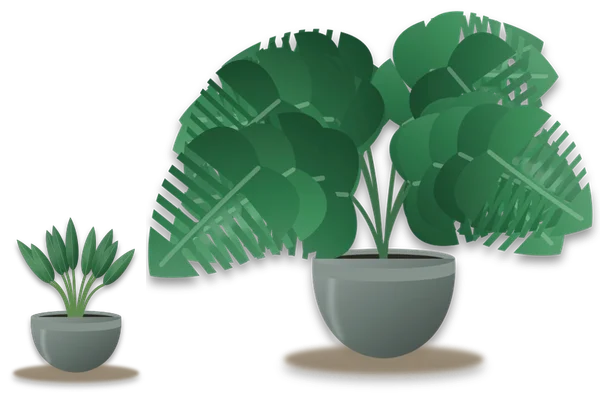
A larger, more established specimen costs more but makes an immediate visual impact and needs less patience from the recipient to see the intended effect; a smaller plant is a lower-cost, lower-risk way to give the same species and lets the recipient watch it grow into the space over time, which some people specifically enjoy as part of the gift. Neither is a wrong choice, and matching the size to the occasion, a larger piece for a significant milestone, a smaller one for a casual gesture, is worth as much thought as the species itself.
What to include alongside the plant
A card with the plant’s actual name, not just “a plant,” lets the recipient look up its real care needs rather than guessing at a generic houseplant routine that may not suit the specific species. A note on the one or two things that matter most for that particular plant, its light preference and how forgiving or unforgiving it is of underwatering against overwatering, is more useful to a beginner than a long list of care instructions they are unlikely to read in full. Neither of these costs anything beyond a few minutes, and both meaningfully improve the odds that the gift is still thriving a year later rather than becoming the plant nobody quite knew how to look after.