Plants for the festive season
About 9 minutes to read. Published . By the House & Hedge team.

The plants most associated with the festive season, the ones sold on end-of-year garden centre tables the world over, are, almost without exception, plants responding to shortening days and cooling nights rather than to the calendar itself, which is exactly why “Christmas” timing for any of them only actually lands in December for a reader in the northern hemisphere. The same biological trigger, in the southern hemisphere’s lengthening days and warming nights at the same time of year, produces the opposite result, and a gift-shop plant bought for its festive association is worth understanding on those terms rather than by name alone.
Christmas cactus
Schlumbergera sets its flower buds in response to shortening day length and cooler night temperatures, which is a real environmental trigger rather than a fixed date, and is the reason the same plant is sold as a “Christmas,” “Thanksgiving” or “Easter” cactus depending on which particular hybrid and which hemisphere it is grown in. In the northern hemisphere, the shortening days of autumn bring it into flower around the traditional winter holiday period it is named for. In the southern hemisphere, where days are lengthening at the same calendar point, a plant following the same light-driven trigger flowers instead around the region’s autumn, several months away from the December festive season the name suggests. A plant bought in a garden centre display timed to the shop’s own local festive season will flower true to that display; a plant grown on afterwards year to year settles into whatever cycle its actual light and temperature exposure at home produces, which may drift from the shop’s original timing.

Amaryllis
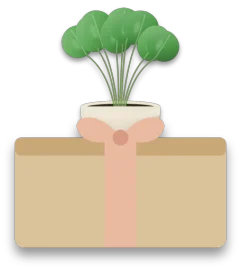
Amaryllis, sold widely as a boxed bulb kit around the winter holidays in the northern hemisphere, flowers roughly six to eight weeks after being started into growth with water and warmth, regardless of the actual calendar date, which is why a bulb started in early November reliably flowers in time for the northern winter holidays: the kit’s sale timing is built backwards from that interval. A reader in the southern hemisphere buying the same imported bulb kit around the same northern retail calendar can either start it immediately for a flower that lands well outside the local festive season, or hold it and start it roughly six to eight weeks ahead of the local holiday period instead, timing it to the actual event rather than to the packaging’s origin.
After flowering, resist the urge to discard the bulb: cut off the spent flower stalk but keep the leaves growing, feed and water it as an ordinary foliage plant through its growing season, then let it dry off and rest for around two months before resuming watering to trigger the next flowering cycle. A bulb given this proper rest period will often flower again the following year; one kept in constant growth with no dry rest usually will not.
Cyclamen
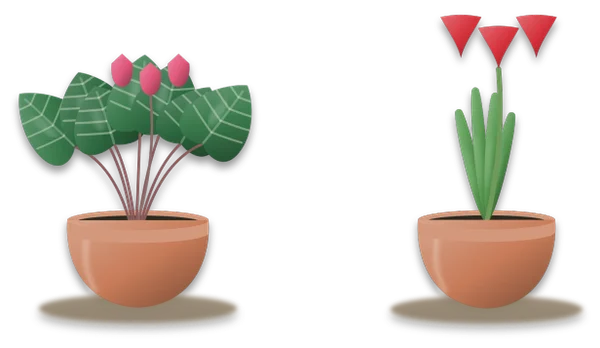
Cyclamen flowers naturally through the cooler months and is widely sold as a winter gift plant for exactly that reason, preferring a genuinely cool spot, a bright windowsill away from direct heat, and consistent moisture while it is actively flowering and in leaf. Many are treated as disposable after the flowers finish, which undersells a plant that will often flower again the following cool season if the corm is kept: reduce watering as the leaves die back naturally in the plant’s own dormant period, keep it on the dry side and somewhere cool while dormant, then resume watering as new leaf growth appears to bring it back into active growth ahead of its next flowering.
Buying into a festive display that was not designed for your hemisphere
Garden centres and supermarkets in the southern hemisphere frequently stock the same imported festive plant marketing, packaging and in-store timing used in the north, since much of it is produced by the same international growers and distributors regardless of which market it eventually sells into. A shop display timed and styled for a northern December can appear in a southern hemisphere store at the same calendar point purely because the supply chain and the marketing calendar are shared, not because the plant is naturally in its display condition there. Buying one of these off a shelf styled that way is entirely reasonable, since a plant already in flower will still be in flower regardless of which hemisphere it is sold in; the part worth knowing is simply that getting the same plant to repeat that display the following year, on its own, at home, follows the local season’s actual light and temperature pattern rather than the shop calendar it was originally sold against.
Forcing bulbs generally
Amaryllis is one example of a wider technique called forcing, deliberately triggering a bulb into flower ahead of, or independent of, its natural outdoor season by controlling its water, warmth and dark-rest cycle artificially. Hyacinth and narcissus bulbs sold as indoor winter-flowering kits follow a similar principle, typically needing a cold, dark period first to simulate winter before being brought into warmth and light to trigger flowering, timed backwards from the intended display date in much the same way amaryllis kits are. The general lesson carries across all of them: a forced bulb’s flowering date is a deliberately engineered event built around a specific local calendar target, and reproducing that same date reliably a second year, without repeating the same forcing process, is the exception rather than the rule.
The plant the winter-holiday displays are usually missing
Poinsettia is the plant most closely associated with the northern winter holidays and does not yet have its own entry on this site; it is deliberately left out of the linked list above rather than described without the same depth of checked care detail every other entry on this site carries. Where poinsettia is the specific plant in question, the general principle from Christmas cactus above still applies directly: it is a short-day plant responding to long, uninterrupted periods of darkness to develop its coloured bracts, and a plant kept somewhere with any evening light exposure, even from a nearby lamp or a streetlight through a window, often fails to colour up on the schedule the display suggests, in either hemisphere. Reproducing the effect from a plant kept over from a previous season generally means covering it completely, a box or a dark bag works, for roughly fourteen unbroken hours of full darkness every night for about six to eight weeks in the lead-up to the intended display date, with normal bright light during the day in between; missing even a few nights partway through the cycle is a common reason a kept-over plant fails to recolour reliably.
Reading a festive plant by its actual biology
Whatever the plant, the pattern repeats across all three covered here: a real environmental trigger, day length and temperature, decides the timing, not the name on the pot or the season it was sold in. The almanac makes this dual-hemisphere pattern explicit for the site’s whole plant collection, and checking a gift plant’s actual triggers against it explains far more about why it is flowering when it is, or is not, than treating the common name as a fixed date ever will.