How to clean a cast iron pan without losing the seasoning
About 7 minutes to read. Published . By the House & Hedge team.
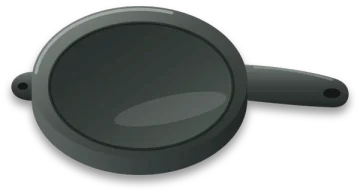
A cast iron pan is one of the few kitchen tools that gets better with use, and most of the damage people do to one happens in the five minutes after dinner. The seasoning is a thin layer of oil that has been heated until it bonds to the iron. It is what makes the surface slick and keeps food from catching. Cleaning the pan means lifting food and grease off the surface without stripping that layer, and drying the iron fast enough that it does not rust.
The method below is for a pan that is already seasoned and in reasonable shape. A pan with rust, or one that has gone sticky, needs a longer job, which is covered further down.
What you need
- Hot water and a stiff brush, or a sponge with a non-scratch face
- Coarse salt, such as kosher or sea salt, for stuck-on food
- A small amount of dish soap
- Paper towels or a clean cloth
- A few drops of cooking oil, such as flaxseed, vegetable or canola
- A burner on the stove for drying
Cleaning the pan after cooking
Clean the pan while it is still warm, not hot and not cold. Hot iron can warp if it is hit with cold water, and cold food is harder to lift.
- Pour out any hot fat into a heatproof container, not down the drain. Wipe the worst of the food out with a paper towel.
- Rinse with hot water and scrub with a brush to loosen what is left. Most food comes away with water and a brush alone.
- For food that is stuck, sprinkle about a tablespoon of coarse salt into the pan and scrub with a folded paper towel or a cloth. The salt works as a gentle abrasive, and the oil in the pan helps it lift the food without cutting into the seasoning.
- If the pan still feels greasy, use a single drop of dish soap on the brush and scrub for a few seconds. Rinse it well. Modern dish soap is fine in small amounts, as long as the pan is not left to soak.
- Dry the pan at once. Water left on bare iron begins to rust within minutes. Set the pan on a burner over medium-low heat for two to three minutes, until no moisture is visible and the surface looks dull.
- While the pan is still warm, wipe a thin film of oil over the inside, and the handle if it is cast iron too. Use a paper towel and rub the oil in, then wipe off the excess until the pan looks almost dry. Too much oil leaves a sticky surface.
- Put the pan back on the burner for a few minutes until the oil stops looking wet. Let it cool before you put it away.
The whole process takes about five minutes, and it is the single habit that keeps a pan nonstick for decades.
Things that damage the seasoning
Most of the problems people have with cast iron come from a short list of habits.
- Soaking the pan. Water sits on the bare iron in the gaps of the seasoning and starts rust. A short rinse is fine, but a pan left overnight in a sink of water will need repair.
- The dishwasher. The long, hot wash and the harsh detergent strip the seasoning, and the pan comes out dull and prone to rust. Keep cast iron out of the dishwasher entirely.
- Leaving it wet. A damp pan stacked with others, or left on the drainer, will rust by morning. Dry it on the burner every time, even when it looks dry.
- Too much oil. A thick coat does not make a better seasoning. It stays soft and sticky, and food sticks to it. Wipe the oil on, then wipe it off again.
- Strong soap and scouring powder. Heavy detergents, abrasive cleaners and steel wool used every day will remove the layer faster than cooking builds it.
When the pan is sticky
A sticky surface is the most common complaint, and it is almost always caused by oil that was applied too thickly and never fully baked on. The fix is to strip the pan back to bare iron and build the seasoning up again in thin coats.
To strip the pan, scrub it with coarse salt and a little dish soap until the sticky film is gone, then rinse and dry it on a burner. Check the surface: it should look gray or black and matte, not shiny or tacky. If you cannot get it clean with a brush and salt, a plain oven-safe method is to bake the pan at 450 degrees Fahrenheit (about 230 degrees Celsius) for an hour with nothing in it, then let it cool. The heat burns off most of the film, and you then season the pan as described below.
When the pan is rusted
Rust is orange and flaky, and it has eaten into the seasoning, so the old layer has to go before a new one can bond.
- Scrub the rusted areas with steel wool or a stiff brush, using a little water. Work until the orange is gone and the iron looks gray.
- Rinse, and dry the pan immediately on a hot burner until no moisture remains. Rust starts again in minutes if the iron is left damp.
- Season the pan. Wipe a very thin layer of oil over the whole surface, inside and out, then wipe it off so the pan looks almost dry. Place it upside down in an oven preheated to 450 degrees Fahrenheit, with a sheet of foil on the rack below to catch drips, and bake for one hour. Turn the oven off and let the pan cool inside it.
- Repeat the thin coat and bake two or three times. Each layer builds on the last, and the surface gets darker and smoother with each one.
Use oven mitts for all of this. The handle and the pan itself stay hot for a long time after the oven is turned off.
Building up a good seasoning
A new or stripped pan will not cook like a well-used one for a few weeks. You can speed the process up by cooking fatty foods, such as bacon, sausages or fried potatoes, in it several times. The fat polymerises slowly into the surface, and each batch adds a little more protection. Tomato sauces and other acidic foods do not ruin a seasoning, but simmering them for hours in a pan that is only lightly seasoned can take some of it away, so keep those cooks shorter until the pan is well built up.
Use a heat-safe spatula rather than a metal one on a pan that is still building its seasoning, and avoid cutting food in the pan, which can scratch the surface.
Storing it
Store the pan dry, with a paper towel between it and any other pan if you stack them. Do not keep it in a damp cabinet, and do not store it with the lid of a different pot pressed against the surface. In humid weather, check the pan for spots of rust before you use it, and dry and oil it again if you find any.
Common mistakes
- Cooling a very hot pan under the tap. The sudden change can crack the iron, and it is also a quick way to get warped.
- Using a single thick coat of oil to “protect” the pan overnight. Wipe the oil off thoroughly, or it turns sticky.
- Scrubbing hard with steel wool every time. Save steel wool for rust and for removing a burnt-on layer.
- Assuming a sticky pan is ruined. It usually is not. It needs stripping and a thinner seasoning.
When to get help
If a pan has deep pitting, cracks, or rust that does not come off with steel wool, it may not be worth restoring. A pan with a flat base, an even surface and a solid handle is still worth cleaning, even when it looks poor. A cast iron pan that has been damaged by a crack can be unsafe to use over high heat, so replace it rather than hope for the best.
Most pans can be brought back to good condition with a few hours of patient work. Clean it after each use, dry it on the burner, wipe a thin film of oil on, and it will keep improving.