How to remove brown and rainbow stains from stainless steel pots and pans
About 7 minutes to read. Published . By the House & Hedge team.
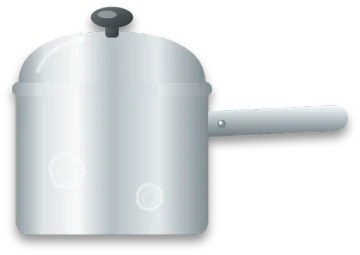
Stainless steel is a good choice for cookware because it is hard, does not react with food, and lasts for years. It also shows marks. Brown stains come from food that has dried on the surface, rainbow colors come from heat, and burnt-on residue builds up in the corners of a pan. Most of these come off with the right cleaner and a little patience. The mistake most people make is reaching for the strongest product they own, and some of those products permanently damage the metal.
The metal stays rust-resistant because of a thin, invisible layer of chromium oxide on the surface. Cleaning should keep that layer intact. Chloride, which is found in bleach, in some cleaning products and in ordinary table salt, can break it down and cause pitting.
What you need
- Warm water and a little dish soap
- White vinegar
- Baking soda
- A non-abrasive scrubbing pad, or a soft sponge
- A microfiber cloth for drying
- A stainless steel cleaner, if you want one, that does not contain chloride
Avoid these
Some of the most common cleaners do the most damage. Keep the following away from stainless steel.
- Chlorine bleach and products that contain chloride. These cause pitting, and the damage often appears weeks or months later as tiny dark spots or a dull patch that will not polish out.
- Salt water left standing. Filling a pan with salty water and leaving it to sit, even without heat, can start pitting. Empty the pan straight after use, and never leave brine or salted water in it overnight.
- Oven cleaner. Oven cleaners are strong alkalis, and some also contain chloride. Keep them off the pans, and off the stainless steel of the cooktop and the oven door.
- Steel wool and harsh abrasives. These scratch the surface, which leaves tiny grooves that trap food and make the metal look dull. Use a non-abrasive pad instead.
Brown stains and burnt-on food
Brown stains are usually a thin film of mineral deposit or food residue that has baked onto the surface. Work through these steps in order, stopping when the stain lifts.
- Wash the pan in warm water with dish soap, using a non-abrasive pad. Rinse and dry it, then look at the stain in good light.
- If the stain remains, make a paste of baking soda and water, about three parts baking soda to one part water. Spread it over the stain with a cloth or pad and leave it for ten minutes. Scrub gently in the direction of the grain, then rinse and dry.
- For a stubborn brown stain, fill the pan with water and add two tablespoons of white vinegar, or a tablespoon of baking soda. Bring it to a simmer over medium heat for ten to fifteen minutes. Let it cool, pour it out, and wash the pan as usual.
- Burnt food in the bottom of the pan can often be loosened by simmering water in the pan first, as above. Once the food softens, scrape it with a plastic scraper or a wooden spoon, not a metal one, which can scratch the surface.
Do not use a metal scraper on the inside of the pan, because the scratches it leaves are where food and stain will collect next time.
Rainbow colors and heat tint
The rainbow sheen on a stainless steel pan is heat tint. Heating the metal forms a very thin oxide layer that refracts light in colors. It is harmless, and it is usually a sign that the pan has been overheated, often while empty or on a high setting.
To remove it, wipe the surface with a cloth soaked in white vinegar. Leave it for a minute, then rinse and dry. Repeat if needed. A stainless steel cleaner that does not contain chloride also works. Scrub only with the grain of the metal, because cross-hatched scratches show the color more clearly.
To prevent it, heat the pan on a medium setting, add oil or food before the pan gets very hot, and avoid leaving it empty on a high burner. A pan that is heated gently keeps its shine for much longer.
Water spots and mineral deposits
White, chalky spots come from hard water that has dried on the surface. Wipe the pan with a cloth dampened in white vinegar and water, leave it for a few minutes, and then rinse and dry. Dry the pan straight after washing, because water left to air-dry is what creates the spots.
If you have a stainless steel sink, the same approach works on its bowl. Keep the sink clear of salt and of food left standing in it, and avoid any cleaner that contains bleach.
Tiny pits and dull patches
Small dark or white pits in the metal are damage to the surface rather than dirt, and they will not come out with cleaning. Once a pit has formed, the metal in that spot is no longer protected in the same way, so it can keep getting worse. The best steps are to stop the cause and to keep the surface smooth. Wash the pan promptly after use, dry it, and do not use chloride products on it.
A dull patch can sometimes be improved by polishing it gently with a non-abrasive pad and a little stainless steel cleaner, always moving in the direction of the grain. If the surface is badly pitted, it is better to use the pan for cooking that does not involve long contact with acid or salt, or to replace it.
Cleaning the outside
The outside of a stainless steel pan collects grease and fingerprints. Wash it with warm soapy water, then wipe it with a cloth dampened in white vinegar to remove any film. Dry it with a microfiber cloth, moving with the grain of the metal, which leaves a cleaner shine than air drying.
Pay attention to the base of the pan too. A thin layer of burnt grease on the base is a common cause of uneven heating and of smoke on the cooktop.
Appliance doors and the cooktop
Stainless steel doors on refrigerators, dishwashers and ovens respond to the same care as pans. Wipe with the grain, using a cloth dampened in warm soapy water, then dry with a microfiber cloth. Fingerprints come off with a little white vinegar on a cloth, and the finish stays streak-free if you dry it straight away rather than letting it air-dry.
The cooktop is the harder job. Wipe spills while the surface is warm but not hot, using a damp cloth and a little dish soap, then dry it. Burnt-on food on grates and trays is the place for the simmer method above. Keep oven cleaners off the cooktop and away from the trim, because the alkali in them can dull the finish and leave marks that do not polish out.
Everyday habits that keep stainless steel looking good
- Wash pans soon after use. Food that is left to dry on the surface is much harder to remove.
- Dry the pan straight after washing, to avoid water spots.
- Empty salty water and brine out of the pan immediately.
- Heat the pan gently, and add oil or food before it gets very hot.
- Clean with dish soap, white vinegar or baking soda, and keep bleach and chloride products away from the metal.
With those habits, a stainless steel pan keeps its surface for many years, and the stains you do get come off quickly with a simple soak and a non-abrasive pad.