How to clean a glass cooktop without scratching it
About 6 minutes to read. Published . By the House & Hedge team.
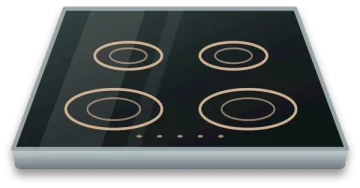
A glass or ceramic cooktop looks clean and sleek when it is clean, and it shows every mark when it is not. Oil spatters dry into a haze, sugar burns into a brown crust, and the drag marks from a pan with a rough base leave gray streaks. The surface is tough, but it is not indestructible. Harsh pads, grit and careless scraping cause the scratches that make it look worn for years. With a few simple habits, the surface stays clear and the burnt spills come off with less effort.
The method below applies to most glass and glass-ceramic cooktops. Check the maker’s care sheet, because some manufacturers name specific cleaners, and their advice always takes precedence.
What you need
- A cooktop cleaner made for glass, or a few drops of dish soap in warm water
- A soft microfiber cloth and a non-abrasive pad
- A cooktop scraper, with a flat metal blade held at a low angle
- White vinegar, for mineral marks
- A dry cloth or paper towel for buffing
Cleaning after every use
The easiest cleaning is the one done straight after cooking. Wait until the cooktop is cool enough to touch, which usually takes twenty minutes or more after the burners are off. Cleaning a hot surface with a wet cloth can cause the glass to crack or the spills to smear, so do not rush it.
- Wipe the surface with a damp microfiber cloth and a little dish soap, working in one direction across the cooktop.
- For oil or grease, wipe with a cloth dampened in warm water, then dry with a clean cloth. Oil left on the surface burns into a film with the next use.
- Buff the surface dry with a dry cloth. Water left to air-dry shows as streaks and hard water rings.
Doing this once after each meal keeps the cooktop in good condition and makes the occasional deep clean much quicker.
Lifting burnt-on food and spills
Burnt-on food is the main reason people reach for a harsh product. A cooktop scraper does the job without scratching the glass, if you use it correctly.
- Make sure the burners are off and the surface is cool. Apply a little cooktop cleaner to the stain, or a few drops of water, so the scraper glides more easily.
- Hold the scraper flat, with the blade at a low angle of about 30 degrees to the glass. Push it gently across the stain and lift the residue as it comes away.
- For a stubborn stain, let the cleaner sit on it for a few minutes to soften the crust, then try the scraper again.
- Wipe the area clean with a damp cloth and dry it.
Never use the scraper on a hot surface, and do not press hard. The blade should slide across the glass; if it scrapes, you are pressing too hard or the angle is too steep. Keep the blade clean, and replace it when the edge becomes nicked, because a damaged blade can scratch the glass.
Sugar and melted plastic
Sugar caramelises and sticks hard to the glass, and melted plastic from packaging can spread across the cooktop if it is wiped while it is still soft. The maker’s advice is usually to leave the spill until it has cooled and hardened, and then scrape it off. Follow that advice, and do not try to wipe the material while it is molten, because it can burn your hand and it smears across the surface.
Once the spill has cooled, use the scraper as described above. A little cooktop cleaner on the area will help. Clean the surrounding area afterwards to remove any residue.
Metal marks from pans
Gray streaks on the glass are usually metal from the base of a pan, most often aluminum, which rubs off and fuses to the hot surface. A cooktop cleaner made for this job, applied with a soft pad, will lift most of it. Use a mild abrasive cream made for glass cooktops if the streaks are stubborn, and rub gently in small circles, then rinse and dry.
To stop it happening again, lift pans rather than sliding them across the surface, and choose cookware with a smooth, flat base. Ask the maker of the cooktop which pan bases they recommend if you are unsure.
Mineral deposits and rainbow stains
White rings and a rainbow sheen come from hard water and minerals that have been heated onto the glass. Clean them with a cloth dampened in white vinegar, let it sit for a minute, then wipe, rinse and dry. For stubborn rings, use a cooktop cleaner that is made to remove mineral deposits.
Dry the surface after every clean, because water left on the glass dries into the same rings.
Induction cooktops
An induction cooktop works differently from a gas or radiant electric one: the glass heats only where the pan sits, and the pan itself becomes the heat source. The glass therefore stays cooler, and spills are less likely to burn on, but they still need wiping. Clean an induction cooktop with the same methods as above, and use the scraper for anything that has bonded to the surface.
Pans matter more with induction. A base that is warped, rough or only partly magnetic heats unevenly and can leave a mark or a hot spot. Lift pans rather than sliding them, and check that the base is flat before you cook. If the cooktop displays an error code or refuses to heat a pan, the cause is often a small piece of metal or grit under the pan, so lift the pan and wipe the glass and the base before you try again.
Boil-overs and spills in the corners
Boil-overs are the spills that cause the most trouble, because they run into the gaps around the burners and into the control panel. Wipe the control panel with a damp cloth only, and keep liquid away from the knobs and the display. Use a cotton bud or a soft brush to clear debris from the gaps around the burners, and dry the area afterwards so no moisture is left in the seal.
If a boil-over is still hot, switch the burner off and wait for the surface to cool before you clean it. A hot spill wiped with a wet cloth can burn your hand, and it can smear the mess across a wider area.
What to avoid
- Steel wool and scouring pads. They scratch the surface, and the scratches trap grime.
- Abrasive powders on textured or matte finishes. They can polish the surface unevenly, which shows as dull patches.
- Heavy use of oven cleaner. Oven cleaners are strong alkalis, and they can damage the surface or leave a residue. Keep them away from the cooktop altogether.
- Cleaning while hot. Cold water on a hot surface can crack glass, and it can also scald you.
- Sliding heavy pans. A pan dragged across the glass can scratch it, and the base may leave metal marks.
How often to deep clean
Wipe the cooktop after every meal, and deep clean it once a week if you cook most days. A weekly deep clean means a cooktop cleaner, a scraper for any build-up, and a final buff with a dry cloth. Do not leave the surface to build up for a month, because the burnt-on layer becomes harder to lift each time.
When to call a technician
If the glass has cracked, if a burner stays hot after it is switched off, or if the surface is chipped near the edge, stop using the cooktop. A cracked glass top can let liquids into the electrical parts, and a damaged surface needs a repair technician. Cleaning will not fix a fault of that kind.