How to tell whether a plant actually needs water
About 7 minutes to read. Published . By the House & Hedge team.

More houseplants are killed by watering than by anything else, and almost none of them are killed by too much water at once. They are killed by water given again before the last lot was used. That distinction is the whole of this guide, and everything below is a way of telling those two states apart before you pick the can up.
The interval is a reminder, not an instruction
Every entry in this journal carries two watering intervals, one for the growing season and one for the winter rest, and the log slides between them across the year rather than jumping. That is useful, and it is not the same as knowing. An interval is worked out from the plant, the light it is in and the size of its pot. It cannot know that your radiator is under the windowsill, that you have had a fortnight of grey weather, or that the compost in this particular pot is three years old and has turned to dust.
So treat the day the log offers you as the day to go and look. Nine times out of ten the answer will be yes and it takes four seconds. The tenth time is the one that matters.
The finger
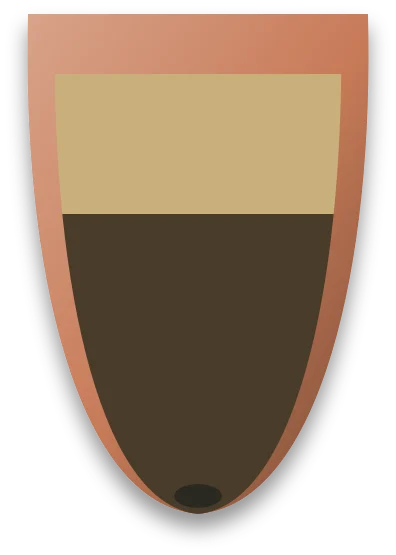
Push a finger into the compost up to the first knuckle, which is about three centimetres. If it comes out with compost stuck to it and feels cool and damp, wait. If it comes out clean and the compost feels dry and slightly dusty, water.
That is the whole technique, and it is better than any device sold to replace it. The cheap probe meters measure electrical conductivity rather than water, which means fertiliser salts in dry compost can read as wet, and a plant can go weeks without a drink because a stick told you not to.
Two adjustments. For a plant in a large pot, go deeper, because the top few centimetres of a twenty five centimetre pot dry out long before the root ball does. For a succulent such as jade, the top three centimetres being dry is not enough; the pot wants to be dry most of the way down before it gets anything.
The weight
Lift the pot. This is the most reliable test there is, and the only one that reads the whole pot rather than the top of it.
Water it thoroughly, let it drain for half an hour, and pick it up. That is what wet feels like. Pick it up again in a few days and the difference is obvious once you have felt both. Terracotta makes it easier still, because unglazed clay darkens when it is wet and pales as it dries, so the pot tells you across the room.
For anything too heavy to lift, tip it towards you an inch and feel the weight come onto your hand. A large plant in dry compost is startlingly light.
The leaf
Leaves are the least reliable of the four, because different plants say completely different things with them and because by the time a leaf has changed, the plant has already been short of water for a while.
Still, some plants are honest. A calathea curls its leaves inwards along the midrib when it is dry, and opens them again within hours of a drink. A Boston fern goes limp and pale before it goes crisp. A peace lily collapses dramatically and stands back up in an hour, which is a habit worth knowing precisely because it looks so alarming.
The trap is drooping, which means two opposite things. A plant drooping in dry compost is thirsty. A plant drooping in wet compost has rotted roots and cannot take water up, and giving it more is the last thing that happens to it. This is why the compost is felt first, every time, without exception.
The pot and what is in it
Two pots of the same size do not dry at the same rate, and neither do two composts.
Plastic holds water; terracotta breathes and dries perhaps twice as fast. A pot with no drainage hole is a reservoir with a plant balanced on top of it, and the only safe way to use a decorative one is to keep the plant in its nursery pot inside it and take it out to water.
Compost matters as much. Fresh peat free compost holds water and releases it steadily. Compost that is two or three years old has broken down, lost its structure and often shrunk away from the sides of the pot, which is why water sometimes runs straight down the gap and out of the bottom while the root ball stays bone dry. If a pot takes water and weighs no more afterwards, that is what has happened, and the fix is to stand it in a bucket for twenty minutes rather than to water it more often.
How to water when the answer is yes
Water until it runs out of the bottom, then stop, then throw away what collects in the saucer within half an hour. That is one drink, and it does three things: it wets the whole root ball, it flushes out the fertiliser salts that build up, and it pulls fresh air down into the compost behind the water as it drains.
Little and often does none of those. It wets the top, leaves the bottom dry and salty, and trains the roots to stay near the surface where they are most exposed.
Bottom watering, which means standing the pot in a few centimetres of water until the surface goes damp, suits plants that hate water on the crown, African violets above all. It needs a proper flush from the top every month or two, because nothing ever leaves a pot that is only watered from below.
What changes through the year
The light does, and the plant follows the light rather than the thermometer. From about midsummer the days shorten, growth slows, and the same plant in the same room needs water less and less often. By midwinter the interval may have doubled. Then in spring it closes again over a few weeks.
This is the single commonest way a plant is lost. Nothing changes in the flat, so nothing changes in the routine, and a monstera that was happy on a weekly drink in July is sitting in cold wet compost by December. The plants that suffer most are the ones that ask for least: a snake plant in a dim corner in January might want water once a month and will accept once a week without complaint until the base goes soft.
What overwatering looks like when it has happened
Yellow lower leaves, a soft or blackening stem at soil level, a sour smell from the compost, small flies rising when you move the pot, and the plant looking limp while the compost is visibly wet. Those five together mean root rot, and the answer is not to water less but to take the plant out, cut away anything brown and mushy, and repot into fresh compost in a smaller pot.
Underwatering is much easier to correct and looks quite different: crisp brown edges, leaves that are dry rather than limp, compost pulled away from the sides, and a pot that weighs almost nothing. A soak in a bucket usually settles it.
The short version
Feel the compost, lift the pot, then decide. Water thoroughly when the answer is yes and empty the saucer afterwards. Expect the interval to roughly double between midsummer and midwinter, and to close again in spring. If a plant is drooping, feel the compost before you do anything at all.
If you would rather start from plants that forgive a missed week, the finder will filter for the sparing ones.