Garden hose water tastes like plastic
About 6 minutes to read. Published . By the House & Hedge team.
Tap water that tastes like plastic is an unpleasant surprise, and it is easy to guess the cause without checking. The useful thing to know is that the taste often comes from the plastic or rubber the water has passed through, not from the water itself. This guide explains what WaterSafe, the UK register of approved plumbers that publishes drinking water advice, says causes the taste, what it advises you to do, and when to call your water supplier.
What causes the taste
WaterSafe describes the taste as antiseptic or TCP-type, which many people call plastic or rubber. Its explanation is that small amounts of substances from plastic or rubber pipes and hoses can affect the taste. Traces of chemicals used in making flexible plastic hoses can interact with the chlorine in the water, and the reaction produces the taste. The water supply is not the part you control. The hose is.
The hose left on the tap
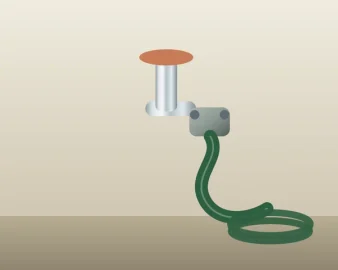
The page names a garden hose as one of the sources. It says this type of taste can also be caused by a garden hose permanently connected to an outside tap. A hose that stays on the tap all year is the first thing to look at, because it is exactly the setup the page describes.
WaterSafe advises removing hoses from the tap when they are not in use. That one habit removes the permanent connection, and it is the simplest change you can make. A hose that is still attached can hold water after the tap is closed, so the connection matters even when nothing is flowing.
Fit a double check valve
The page also advises fitting a double check valve between the tap and the hose. A double check valve is a fitting that stops water flowing back from the hose toward the supply. WaterSafe says a qualified plumber can advise on how to fit one, which is the right route if you are not confident doing it yourself. The valve is what stops the hose from feeding back toward the supply, so it protects the rest of the system as well as the taste.
Narrowing it down
Compare the taps you use. If only the outdoor tap tastes of plastic, the garden hose is the first suspect, because the hose is the part that touches that water. If the taste shows up at indoor taps as well, WaterSafe’s advice on the flexible hoses that feed appliances is the next thing to check, and the water supplier is the right place to ask about the supply itself.
Write down which tap you tested, whether a hose was attached, and whether you have changed any appliance hoses recently. Those notes make the next step quicker, whether it is your own check or a call to a plumber.
Testing the appliance hoses
WaterSafe’s test is written for the flexible hoses that feed appliances, such as dishwashers and washing machines. The page says to close the isolating valve for 24 hours and then check the taste again, which tells you whether those hoses are causing the taste.
The page does not give the same test for garden hoses. For a garden hose, the sensible checks are simpler: is the hose permanently connected to the tap, and is there a double check valve between the tap and the hose? If you run the appliance test, write down the date you closed the valve and taste from the same tap both times, so the two results are fair to compare.
Appliance hoses are a separate case
The same page covers the flexible hoses that carry cold water to appliances, which are often the source of the taste indoors. WaterSafe says that if those hoses are causing the taste, you could change them for hoses approved by WRAS, the Water Regulations Advisory Scheme, such as a food-quality hose. WRAS is a UK scheme, so outside the UK, ask the appliance or hose maker which drinking water standard their product meets.
Is the taste harmful?
WaterSafe is clear about the taste itself. Drinking water with this taste, although unpleasant, is not harmful in itself. That is reassuring, but it does not settle every question about a particular supply or a particular use. An unpleasant taste is a signal to check the source, and a harmless one is still worth reporting to the people who run the supply.
If you have tried the checks in this guide and are still concerned, contact your water supplier. WaterSafe gives the same advice.
A taste is a clue, not a test
A taste tells you that something has changed, but not what has changed or how much of it is there. That is why the answer comes from checking the source and asking the supplier, not from a sip.
Pets and water bowls
The page is about people drinking water, but the same caution applies to pets. If a pet’s bowl is filled from a hose, taste the water first. If it tastes wrong, fill the bowl from another tap until the cause is found, and ask your vet about any pet that drinks water that tastes wrong and then seems unwell.
What to tell your water supplier
Give the supplier the facts they will ask for. Say which tap the taste comes from, whether a hose is permanently connected, whether a double check valve is fitted, and whether any appliance hoses have been changed recently. Those details help separate a hose problem from a supply problem, and they stop the call from starting at the beginning.
Choosing a hose for drinking water
If you want a hose for water that people will drink, the page’s advice points to a hose approved for drinking water, not an ordinary garden hose. The WRAS approval it names is a UK approval. Outside the UK, look at the product’s labelling for a drinking water approval, ask the maker which standard it meets, and do not assume a standard the label does not name. Read the label rather than the product name, and treat a hose without a stated drinking water approval as a garden hose only. Ask the seller before you buy, and keep the receipt if the approval matters for your use.
Whatever hose you use, keep it unhooked from the tap when it is not in use, as WaterSafe advises.
What to do now
- Unhook the garden hose from the outside tap when you are not using it.
- Check whether a double check valve is fitted between the tap and the hose. If not, ask a qualified plumber to fit one.
- If the taste persists and the appliance hoses may be involved, run the isolating valve test described above, then consider replacing those hoses with approved ones.
- If you are still concerned, contact your water supplier.
Why the answer depends on where you live
The page is UK guidance. The steps in this guide are general good practice, such as removing a hose when it is not in use and fitting a double check valve, but the approval names and the contacts are UK specific. Your water utility can tell you what applies to your supply, and the hose maker can tell you what approval its product carries. In the US, community water systems publish an annual water quality report, often called a consumer confidence report, which lists what is tested in the supply.