When to prune roses, hydrangeas, lavender, apple trees and azaleas
About 7 minutes to read. Published . By the House & Hedge team.
Most garden pruning turns on one question: does this plant flower on this year’s new growth, or on the stems it grew last year? Get that right and the calendar mostly takes care of itself. Get it wrong and the cut removes the flowers you were trying to encourage, which is the usual reason a hydrangea or a lavender sulks for a whole summer.
The calendar also depends on where you live. The northern and southern hemispheres are not mirror images for pruning, because the frost, the rainfall and the flowering of each plant follow their own local seasons. A window that suits a garden in England cannot simply be moved by six months to suit one in South Africa, New Zealand or Australia. Each section below gives the northern and southern windows separately, and says where the sources agree and where they do not.
Roses: late winter, as growth starts again
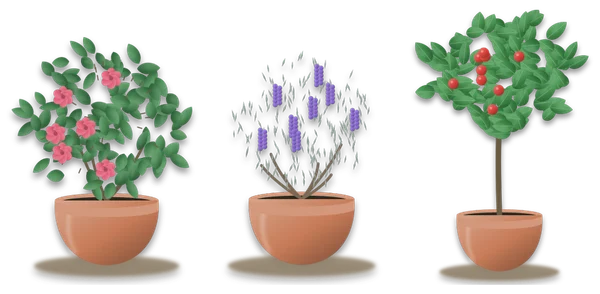
Hybrid teas and floribundas are pruned in late winter, when the buds are beginning to swell and growth is just resuming. The Royal Horticultural Society puts the northern window at around mid-February in the south of England and in March in northern and colder areas. In the southern hemisphere, the New Zealand Rose Society gives late June to mid-August, depending on where you live, and Australian garden guides give June or early July, moving to early August where frost still lingers. Whichever hemisphere you are in, the roses in the journal follow the same rule.
Start with the same job either way. Cut out dead, diseased, rubbing and crossing stems, and open the centre of a crowded bush by taking out a few of its oldest shoots. After that the two types are cut differently. A hybrid tea is pruned low: its strongest shoots are shortened to four to six buds, about 10 to 15 centimetres from the base, which encourages strong new growth and large single blooms. A floribunda keeps its stems longer, cutting its strongest shoots to within 25 to 30 centimetres of the soil, so that the bush carries the many buds that make up its flower clusters.
The window is a guide, not a deadline. Cut once growth is just starting to show, and wait if a hard frost is still forecast, because frost can damage the fresh shoots. Roses that flower once, in spring, form their flowers on the previous year’s wood, and they are pruned straight after they bloom instead.
Hydrangeas: find out which flower you have
Hydrangeas split into two groups by where they flower. Mopheads and lacecaps, Hydrangea macrophylla and its close relatives, flower on the stems they grew the year before. Panicle hydrangeas (Hydrangea paniculata) and smooth hydrangeas (Hydrangea arborescens) flower on the growth the plant makes in the current season. If you do not know which you have, look at the label, or watch when the buds form, because the old-wood types set their buds on last year’s stems before winter.
On the old-wood types, the flower buds for next year form on this year’s stems soon after the blooms fade. The safe cut is straight after flowering. A light tidy and the removal of dead wood are fine at other times, and the RHS notes that mopheads flower well with little attention. A hard cut in late winter, though, removes the buds that would have flowered, and heavy cutting can wipe out the blooms altogether.
The new-wood types are the ones to cut hard. Each spring, cut last year’s stems back to a pair of healthy buds, which keeps a permanent framework and gives more flowers. In the northern hemisphere the RHS gives late winter or early spring for the main pruning, and occasionally late summer. New Zealand garden guides give mid to late winter, with early spring often the safer choice in case of late frost.
In the southern hemisphere, the old-wood types are still cut after the flowers fade. Because the seasons run the other way round, that is late summer or autumn in the local year, not a fixed month. Check when your own hydrangea finishes flowering, and cut straight after.
Lavender: after the flowers, and never into bare wood
Lavender is pruned once a year, lightly, straight after its main flush of flowers. The sources agree on the rule that matters most: do not cut into leafless, woody stems, because many lavenders will not regrow from bare old wood. Only the soft green growth needs to come off.
The month depends on the variety and the climate. In the northern hemisphere, English lavender (Lavandula angustifolia) is usually pruned in late summer, once the flowers have faded, and UK gardening guides put that between late July and August. In the southern hemisphere it is the same stage of the plant’s year: after the summer flowers, which means late summer into autumn. New Zealand and Australian guides give a range from late summer to around April, and a second light trim in spring can keep the plant compact. Check your own variety before you settle on a date.
Apple trees: winter for standard shapes, summer for trained ones
A standard or bush apple is pruned in winter, while the tree is dormant, from leaf fall until the buds begin to swell. The RHS gives November to early March for the northern hemisphere. In the southern hemisphere the dormant season is winter, and New Zealand and Australian sources give winter as well, which there means June to August. Winter pruning keeps the yield steady and the height in check, and it is the main cut for an ordinary tree.
The trained forms are the exception. Espaliers, cordons, fans and pyramids, the space-saving shapes, are pruned in summer, and that summer cut is what keeps them small and productive. The RHS gives summer pruning for restricted shapes. In the southern hemisphere the summer cut falls in December to February. Summer pruning can also check the vigour of a tree that has grown too large, but it does not replace the winter cut on an ordinary apple.
Azaleas: straight after they flower
Azaleas, and their relatives the rhododendrons, set next year’s flower buds in the weeks after this year’s blooms fade. Cut them straight after flowering and the forming buds stay on the plant. Cutting later, or cutting hard, removes the wood that next year’s flowers would have come from. If a hard cut cannot be avoided, make it early in spring, before growth starts, and accept that the year’s flowers will be lost.
In the northern hemisphere, azaleas flower in late spring and early summer, and the cut has to come before the next buds form, which is around midsummer. Gardening guides give early to mid-July as the cut-off for many varieties. In the southern hemisphere, azaleas flower in spring, so the cut comes straight after the spring flowers, and the rule is the same. Because the flowering season sets the timing, check your own variety rather than copying a date from elsewhere.
Before you cut
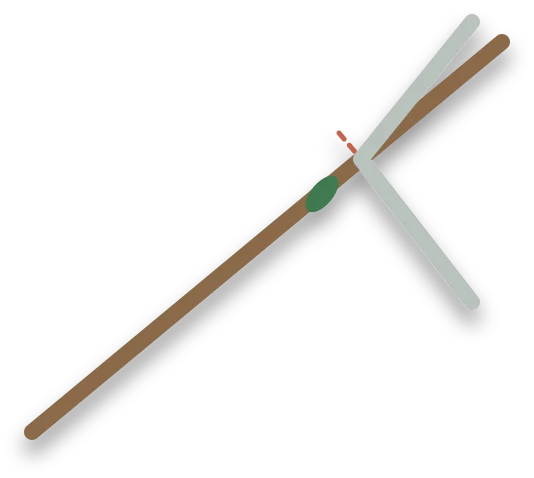
Look at the plant before you reach for the secateurs. If it is in flower, or its buds are already plump and breaking, you are past the window for that job, and the cut will cost this year’s display. Use clean, sharp tools, cut just above a healthy bud that faces outwards, and wipe the blades between plants so that a cut on one plant does not carry a problem to the next.
Where the sources agree, and where they differ
Roses and apples have the most consistent windows across the sources read for this guide. Hydrangeas and lavender vary by variety and climate, so the guide gives the rule and the seasons rather than a single month. The azalea window is set by the flowering season, so it is the one to check against your own plant. The almanac on this site covers sowing and planting for each hemisphere, and the daily log can carry a reminder for the cut, so the job is on the list when the window opens.