Watering through a southern winter
About 7 minutes to read. Published . By the House & Hedge team.
Winter in the southern hemisphere falls in June, July and August. On the Highveld those months bring short days, a low sun and frost on the coldest mornings. Most houseplant advice was written for the northern hemisphere, where winter comes at the other end of the year, and the reasoning carries across without any change. Only the calendar moves.
Why winter changes the watering
A houseplant turns light into food, uses that food to grow, and draws water through its roots to keep its leaves full. Take away light and warmth and every part of that slows down. Illinois Extension says that light is perhaps the greatest factor limiting houseplant growth in winter, and that growth rates fall with dwindling sunlight and often lower indoor temperatures. When growth slows, the plant’s need for water falls with it. The same post says that since growth and water uptake are less in winter, watering times have to be changed to match.
The change is easy to miss. The compost looks the same in July as it did in January, and the plant can look healthy for weeks. The trouble is the routine, which keeps delivering the summer amount of water to a plant that now needs much less.
Why a fixed schedule fails
The usual mistake is a fixed timetable. A plant watered every Saturday in summer keeps getting the same Saturday in winter, whatever the compost is doing. The University of Maryland Extension notes that too many people assume watering once a week is the right interval, and a winter routine has to break that habit. Replace the calendar with a check. A check takes a few seconds and tells you what the plant needs that week, which the calendar cannot do.
Check the soil before you water
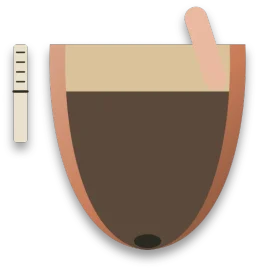
Iowa State University Extension gives the simplest rule. Check soil moisture regularly by touching it, and when the soil is dry to the touch about one inch down, water. Illinois Extension recommends a deeper test, pushing a finger to a depth of two inches, and says that dry soil at that depth is the signal to water. The two figures are close enough that the habit matters more than the exact depth. Test first, then decide.
The other ways to read a plant’s thirst, including lifting the pot to feel its weight, are covered in does it need water.
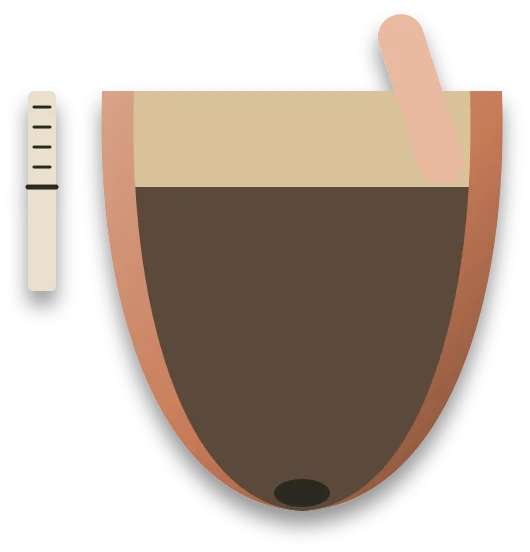
The University of Maryland Extension recommends letting most of the soil dry out over winter, until it feels like a freshly wrung out dish towel, not bone dry but not too moist. That is the target to aim for. A pot kept evenly wet all winter is a pot that has stopped being checked.
Water thoroughly, then wait
When you do water, water thoroughly. Illinois Extension says to add water only when the soil has dried out, and to water thoroughly so the whole pot is saturated. Iowa State University Extension is blunt about what comes next: discard the excess water. A pot left standing in a saucer of water has its roots sitting in wet compost for the whole of the cold season, which is the situation the next section deals with.
Why overwatering is the bigger risk
In winter the danger is more often too much water than too little. Illinois Extension says that, surprisingly, more houseplants die during winter from overwatering than from underwatering. The University of Maryland Extension goes further, saying the number one reason for dying plants is usually overwatering, and warning that overwatering leads to root rots and plant death.
The reason is a mismatch. Roots that are growing slowly take up less water, so compost that dries in a week in summer can stay wet for a month in winter. Saturated compost pushes out the air the roots need, and once the roots start to rot the plant cannot take up water even when plenty is available. The problem feeds itself, which is why an early check matters more than a late rescue.
Wilting is not always thirst
A wilting plant looks thirsty, and the instinct is to water it. Illinois Extension warns that wilting can be a symptom of overwatering, because roots sitting in wet compost cannot take up water either. The peace lily is the clearest example of the thirsty kind: it wilts dramatically when dry and recovers within an hour of a drink. Even so, the compost is the better test, because a plant with wet roots can droop in the same way. Feel the compost first, then decide.
Pots and drying
The pot changes the answer too. The University of Maryland Extension notes that most plastic pots dry from the top down, while clay pots also dry through their sides. A plastic pot can look dry on top while the compost near the bottom is still wet, so check at depth, not only at the surface. The jade plant and the ZZ plant both wait until the compost is dry all the way through before the next soak. In winter, when the whole pot dries slowly, the pot’s material becomes part of that decision.
The southern winter and the sun
Winter light is the quiet variable. Illinois Extension advises placing plants close to the best window, and using a grow light where the window is not bright enough. Its window advice was written for the northern hemisphere, where south and west windows get the most sun. In the southern hemisphere the sun is in the north, so the sunniest window faces north. Check where the light falls in June and July before you choose a spot, rather than trusting the place that worked in summer. The light room by room guide shows how to work out which way each window faces.
Cold glass and frosty nights
Lower temperatures act like lower light. Illinois Extension lists dwindling sunlight and often lower indoor temperatures together as the reasons growth slows and water needs fall. On the Highveld, the coldest June and July mornings can leave a lawn frosted until about 10am, and the same cold reaches a windowsill. A plant pressed against cold glass at night sits in the coldest spot in the room. On frosty nights, move plants a short distance from the glass. This is a common-sense step rather than a published figure, and it costs nothing.
When the watering goes back up
Growth picks up again in spring, as the days lengthen. The plant will start to want more water, and the same check tells you when. The moment comes on the plant’s schedule rather than the calendar’s, which is the whole point of checking. Keep the check going through the change, and the watering will follow the plant rather than the other way round.
A routine for winter
- Drop any summer timetable. Pick one day a week as a check day rather than a watering day.
- On the check day, feel the compost of each plant at the depths described above. Water only the plants that are dry there, and water them thoroughly.
- Empty the saucer after watering, as Iowa State University Extension advises.
- Note each watering in the daily log, so the gap between drinks is written down rather than remembered.
- Expect each plant to need less through the winter, and resist the urge to top it up.
Where to go next
If a plant is already showing trouble, the guide to overwatered plant rescue explains how to tell overwatering from underwatering and what to do about wet roots. If you are leaving plants for a longer break, holiday watering sets out the options. The six southern African houseplants guide explains where several common houseplants come from, and what that means for their watering.